Complete Triathlon Gear Guide: What to Buy, Skip and Upgrade
The complete triathlon gear guide, category by category: the true minimum to start, swim, bike, run, tech and transition gear, what to skip, and how to build your setup at every budget.
By Lotte
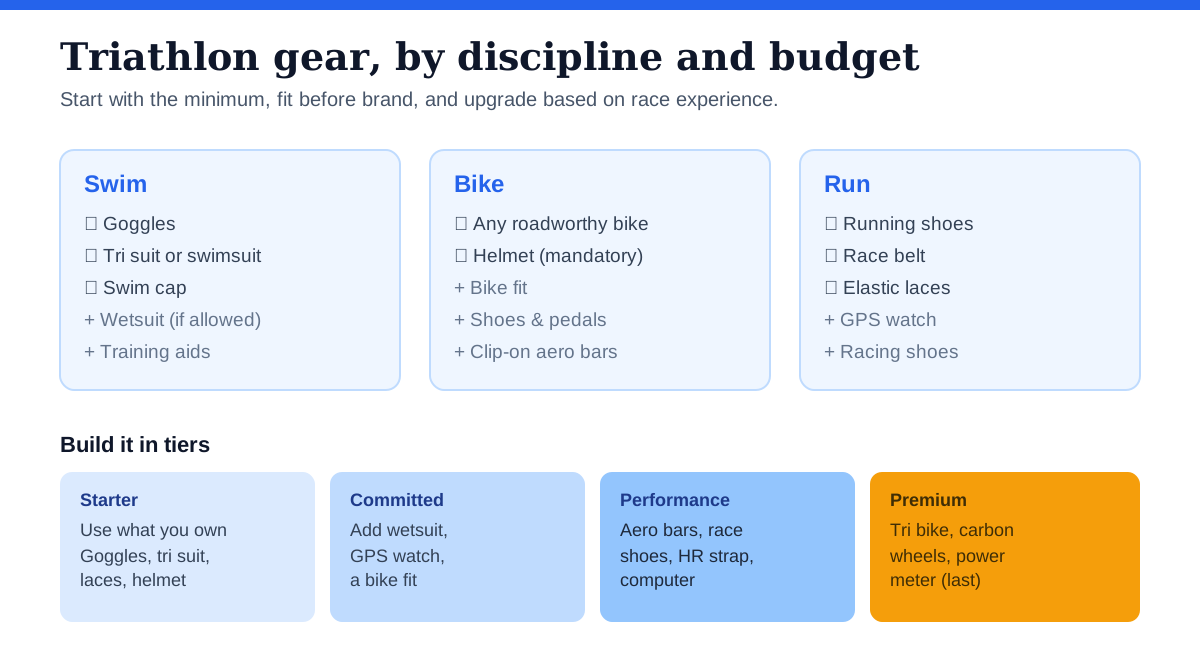
A useful triathlon setup depends on your event's current rules, what you already own, comfortable fit, budget and the problem an upgrade would solve. This guide maps swim, bike, run, technology and transition equipment, then links to detailed category guides. Use its starter list as a planning prompt and confirm requirements with your event organiser before buying or racing.
Key takeaways
- 1Treat any starter checklist as a prompt; your event's current athlete guide and rules determine required and permitted equipment.
- 2Choose by safe function, fit, compatibility, budget and the problem an item solves; there is no single best upgrade for every athlete.
- 3Borrowing or renting can help you learn what fits your needs, but check condition, fit, hygiene and event requirements first.
- 4Optional technology, clothing and speed equipment make sense when they answer a specific training or racing need.
- 5Use this guide to orient, then follow the linked category guides and verify changeable details with the responsible organiser or manufacturer.
In this article
- 1How to think about triathlon gear
- 2Build a starter checklist around your event
- 3Swim gear
- 4Bike gear
- 5Run gear
- 6Tech and electronics
- 7Transition gear
- 8Skin, comfort and consumables
- 9Build a setup that fits your budget
- 10Decide whether an upgrade is worth it
- ⚖Triathlon gear budget guide (rough tiers)
- ?Frequently asked questions
How to think about triathlon gear
Start with the event, what you already own, and the question a new item would answer. Then check fit, condition, compatibility, budget and the time or maintenance an upgrade adds. This makes it easier to separate an event requirement from a convenience or performance choice.
Race rules differ by organiser and governing body, and they can change. Use the triathlon rules guide to find the right source, then read the current athlete guide for your event. For a simpler first-race checklist, see first triathlon gear essentials; for cost factors beyond equipment, see is triathlon expensive?.
Build a starter checklist around your event
There is no universal list that guarantees a race-legal setup. Use these categories to identify questions, then confirm the answers against the organiser's current athlete guide and governing-body rules:
- Swim: suitable swimwear and goggles; check whether the event supplies a cap and whether local conditions affect wetsuit use.
- Bike: a bicycle that is safe and permitted for that specific course and race format. Check any restrictions on bars, wheels or other equipment.
- Helmet: the event's rules specify the accepted standard and when a helmet must be worn. Check fit and condition using the manufacturer's instructions.
- Run: footwear and clothing you can use comfortably under the event's requirements. Confirm how the race number must be displayed.
The beginner gear essentials guide helps sort essentials from options; the race rules guide links you to event-specific information. Equipment cost is only one part of a first-season budget, covered in is triathlon expensive?.
Swim gear
Prioritise comfortable goggles and swimwear that suit the water and the event's rules. Try goggles for fit and visibility in a safe training setting; see choosing triathlon goggles. A tri suit can reduce clothing changes, while separates may suit an athlete's comfort or budget better; what to wear for a triathlon compares the options.
A wetsuit changes warmth and buoyancy, but whether it is allowed or required depends on the race rules and conditions. Check the event's current information and try or rent a correctly fitting suit before committing to a purchase; the wetsuit buying guide explains the fit questions. Training aids such as a pull buoy, paddles or fins are optional and should match a session's purpose.
Bike gear
Before buying or adapting a bicycle, confirm that its type and equipment are permitted for your event and course. Rules may differ for draft-legal, non-drafting and off-road events. The triathlon bikes guide explains common bike choices; check the current rulebook for restrictions on frames, bars, wheels and accessories.
Follow the event's helmet requirements and the helmet maker's instructions for fit, adjustment and replacement. The helmet guide explains common types, while bike fit for beginners covers position and comfort questions. A professional fitting may help when comfort, control or position is a problem; it is not a universal upgrade or a guarantee against injury.
Clipless bike shoes, a bike computer, or a power meter are optional tools. Check compatibility and practise using any unfamiliar setup before race day.
Run gear
Choose running shoes for comfortable fit and the surfaces you expect to run on; no model or price tier is right for everyone. The running shoes guide explains how to compare fit, cushioning and use. If a shoe causes persistent pain, seek individual advice rather than assuming a different model will solve the cause.
A race belt or elastic laces may make your transition routine more convenient. Check number-display rules and practise your chosen setup, because event requirements and individual preferences vary.
Tech and electronics
Choose technology by the question you want it to answer and by compatibility with your existing devices. A GPS watch may record multiple disciplines; check its current specifications and whether you need the features it offers. The sports watches guide compares common uses.
A heart-rate monitor can supply heart-rate data, and a power meter measures cycling power. These devices do not interpret every workout for you. Decide how you will use the data, check what it is compatible with, and learn its limitations before buying.
Transition gear
A small towel, race belt or elastic laces may make your own routine easier, but none guarantees a faster transition. The organiser's transition-area rules determine what you may place beside your bike. Check the layout and practise only with equipment you can use safely and reliably. The transition setup guide explains the sequence, and the race-day packing checklist helps organise your kit.
Skin, comfort and consumables
Small comfort items are personal choices. Anti-chafe products may help some athletes; test skin tolerance and placement in training, as covered in how to prevent chafing. Choose sun protection for the forecast and your own needs, and follow the product label. Food and fluid choices belong in a rehearsed plan; see the race-fueling guide rather than treating a gear checklist as a universal nutrition prescription.
Build a setup that fits your budget
The table is an illustration of how equipment choices can expand; it is not a required purchase order or a performance ranking. Start with the event's rules, your current equipment and the need you are trying to address. Prices and availability vary by location and date, so check current listings and compatibility before buying. For low-cost options, see triathlon gear on a budget; for a worked first setup, see first triathlon setup by budget; and for distance-related tradeoffs, see gear for sprint vs Ironman.
Decide whether an upgrade is worth it
Before spending, ask four questions: Is the item required or permitted by my event? Does it fit me and work with the rest of my setup? What specific problem should it solve? Can I afford its purchase, maintenance and replacement?
The answer may be a repair, a fitting, borrowing, renting, buying used, choosing a lower-cost option or keeping the equipment you have. A professional fitter or retailer can help with an individual compatibility or fit question, but no single purchase is the right first upgrade for everyone. For product comparisons, read the category guide and check the current manufacturer specifications.
Triathlon gear budget guide (rough tiers)
| Budget tier | Swim | Bike | Run | Tech |
|---|---|---|---|---|
| Starter | Goggles + tri suit | Existing bike + helmet | Running shoes + elastic laces | Phone app |
| Committed | + Wetsuit (rent first) | + Bike fit + tyres | + Race belt | + Entry GPS watch |
| Performance | + Training aids | + Clip-on aero bars + bottles | + Racing shoes | + HR chest strap |
| Advanced | + Backup goggles | + Carbon wheels | + Shoe rotation | + Bike computer |
| Premium | Same | + Tri/TT bike | + Multiple shoe rotation | + Power meter |
Sources
Sources are listed so readers can verify consequential claims and dated details.
- World Triathlon Competition Rules 2026 — World Triathlon (accessed September 26, 2026)
- USA Triathlon Multisport Competition Rules — USA Triathlon (accessed September 26, 2026)
- Get Racing: Equipment You’ll Need — USA Triathlon (accessed September 26, 2026)
Frequently asked questions
What gear do I need for my first triathlon?
Use a starter checklist to identify swimwear, goggles, a bicycle, a helmet, run clothing and footwear, then confirm the exact requirements in your event's current athlete guide and governing-body rules. Bike type, wetsuit use, number display and other details can vary by event and format.
Do I need a triathlon bike to start?
Not necessarily. Some events allow a range of bicycle types, while rules can restrict equipment for particular formats or courses. Check the event's current rules before using or buying a bike, and make sure it is safe and comfortable for you.
What is the best first gear upgrade?
There is no universal answer. Start with your event requirements, current equipment, fit, budget and the specific problem you want to solve. A repair, a better fit, a rental or no purchase may be the useful next step.
Should I rent or buy a wetsuit?
Check whether your event permits or requires a wetsuit and whether the fit works for you. Renting can help you test a suitable option before buying, but availability, sizing and condition vary. Follow the organiser's latest rules and try the suit in training.