Plus-Size Triathlon Guide: Gear, Training and Categories
Reader-led guidance on inclusive triathlon gear fit, comfort, training and optional Athena/Clydesdale categories—without assuming weight loss.
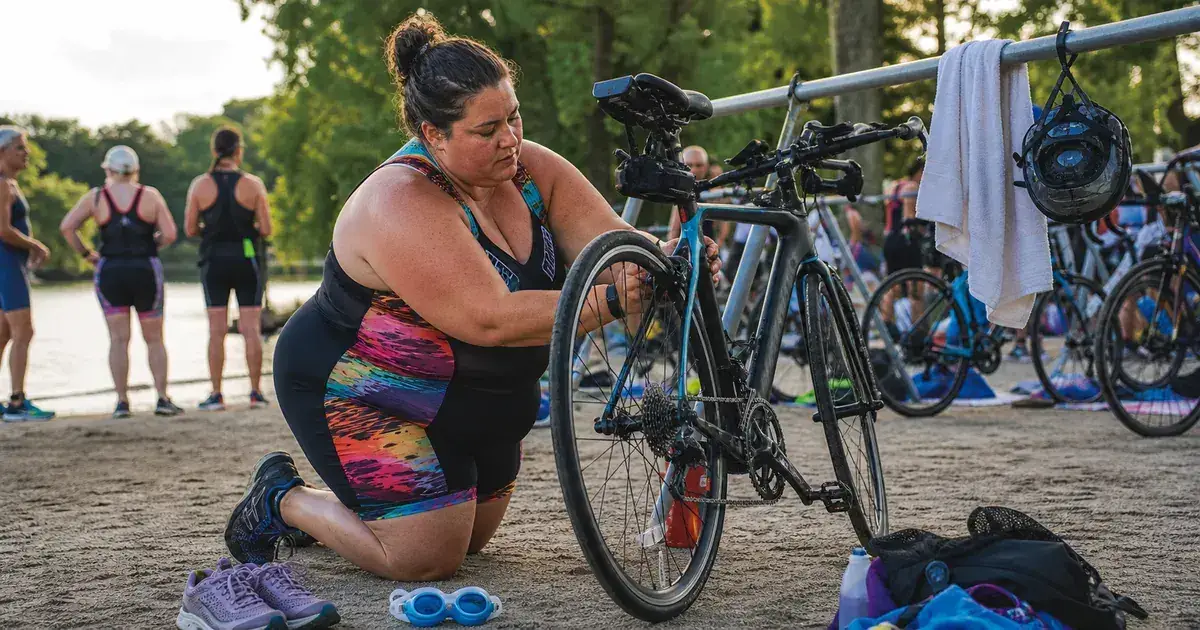
Plus-size athletes can train for and race triathlon without making weight loss the goal. Priorities are gear that fits now, a bike contact-point setup that supports comfort and control, gradual training, heat and skin-care planning, and a welcoming event. Athena and Clydesdale categories are optional where offered; names, thresholds and eligibility vary by organizer.
Key takeaways
- 1Buy and adjust gear for your current body
- 2Comfort and control matter more than race-day minimalism
- 3Build training from current capacity without punishment framing
- 4Plan proactively for chafing, saddle comfort and heat
- 5Weight-based categories are optional and event-specific
In this article
Quick answer: fit the sport to you
Start with a race environment and equipment that let you swim, steer, brake, transition and move comfortably. A tri suit is optional; separate garments can work if event changing rules permit. There is no requirement to pursue weight loss before participating.
Use the Gear Builder, then confirm each product's actual size chart, return policy and movement while wet or in a riding position.
Clothing, wetsuit and sports-support fit
Look for nonrestrictive breathing, secure leg openings, flat seams and support that works across swim, bike and run. Test bending, reaching and jogging. Wetsuits must allow full inhalation and shoulder movement; model sizing and buoyancy vary. Never use an overly tight suit to force a label.
If changing clothes, confirm whether the venue provides a private changing area and whether nudity is prohibited in transition.
Bike fit, contact points and equipment limits
A qualified fit can address saddle width and shape, handlebar reach and pressure distribution. Choose wheels, tyres and components within manufacturer system-weight limits, including rider, bike, fluids and luggage. Those limits are product-specific and should be checked in current documentation.
Practise mounting, braking and cornering on the exact setup. Comfort that preserves control is performance equipment.
Skin, heat and hydration planning
Test anti-chafe products on common friction areas, dry carefully after the swim and carry only what event rules allow. Heat strain varies by environment, acclimation, clothing, medication and health; body size alone does not produce one safe formula.
Use shade, event cooling and an individually tested drinking plan. Stop and seek medical help for confusion, collapse, chest pain or severe symptoms. A clinician or sports dietitian can advise where health conditions or medication matter.
Training without punishment
Build consistency from what you can repeat and recover from. Swimming and cycling can add aerobic work with different impact, while running or run/walk progresses gradually. Track comfort, energy, sleep and pain—not calories burned as a verdict.
Choose a coach or club whose language and practice respect your stated goals. Unsupported assumptions about weight loss are not a training requirement.
Athena, Clydesdale and inclusive event choices
Some US events offer optional Athena and Clydesdale competition categories. Thresholds, gender labels, weighing procedures and awards vary and may not exist elsewhere. USA Triathlon publishes resources, but the current event registration defines what is offered. You can often enter the standard age group instead.
Review age groups explained, time benchmarks and the organizer's accessibility and anti-harassment information before choosing.
Comfort-first triathlon checks
| Area | Check | Useful action |
|---|---|---|
| Clothing | Breathing, seams, support | Move in it wet and dry |
| Wetsuit | Inhalation and shoulder range | Use model chart; practise removal |
| Bike | Contact points and control | Fit and ride-test |
| Components | System-weight limits | Verify manufacturer documents |
| Event | Categories and facilities | Read current registration/guide |
Sources
Sources are listed so readers can verify consequential claims and dated details.
- Clydesdale and Athena beginner resources — USA Triathlon (accessed August 2, 2026)
- Supporting Clydesdale and Athena participation — USA Triathlon (accessed August 2, 2026)
- World Triathlon age-group racing — World Triathlon (accessed August 2, 2026)
Frequently asked questions
Can plus-size people do triathlons?
Yes. Participation depends on preparing for the event's demands and cutoffs, not fitting a particular body type.
Do I need a tri suit in extended sizing?
No. A tri suit is convenient, but separate fitted swim, bike and run clothing may work if the event's changing rules allow it.
What are Athena and Clydesdale categories?
They are optional weight-based competition categories offered by some events, especially in the United States. Definitions and thresholds vary.
Do I have to enter a weight-based category?
Usually not. Where offered, it is commonly an optional alternative to the standard age group. Verify the event rules.
How do I find a suitable triathlon wetsuit?
Use brand-specific measurements, prioritize breathing and shoulder movement, check the return policy and practise in safe water before race day.