Triathlon Gear by Distance: What Changes from Sprint to Ironman
Compare triathlon gear by distance, separate event requirements from optional upgrades, and choose what to test based on your course and needs.
By Lotte
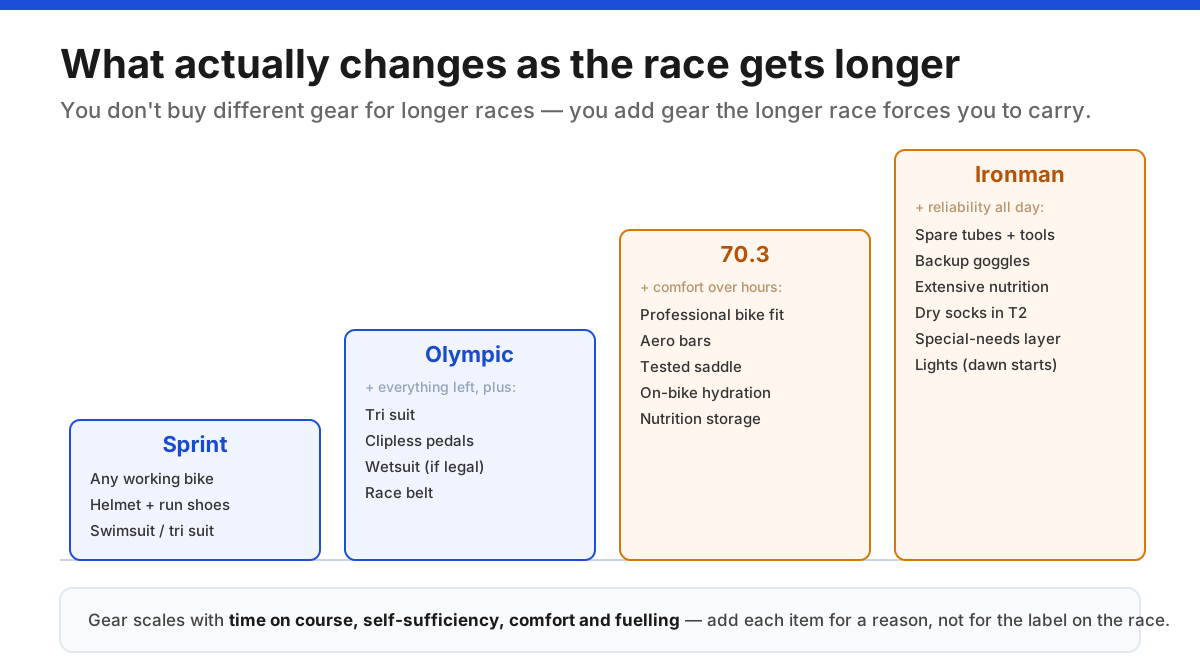
Most triathlon equipment does not become mandatory as distance increases. The useful changes depend on event rules, conditions, aid access, comfort, and what you can use reliably.
Key takeaways
- 1Race distance alone does not make optional equipment mandatory.
- 2The event guide, course, weather, aid access and your tested setup determine what to bring.
- 3Buy or borrow an item only when you can name the problem it solves and rehearse it before race day.
- 4A roadworthy, permitted bike and familiar clothing can be more useful than an untested upgrade.
In this article
- 1Quick answer: distance changes the job, not a shopping list
- 2Separate required equipment from conditional and optional gear
- 3Compare the actual demands of your race
- 4Check four things before buying
- 5A useful upgrade test for a first longer race
- 6Plan fuel and hydration for the athlete and event
- 7Verify the list again during race week
- ⚖Questions to answer by race distance
- ?Frequently asked questions
Quick answer: distance changes the job, not a shopping list
Most triathlon gear works across more than one distance. A longer race can make comfort, carrying capacity and backup planning more important because equipment is used for longer, but it does not automatically require a triathlon bike, clipless pedals, a professional bike fit or a particular fueling product.
Start with the current rules and athlete guide for your event. Then look at course conditions, aid-station arrangements, the time you expect to be out there, and what you can use reliably. Those details are more useful than a generic distance-based buying list. For a first-race inventory, use First Triathlon Gear: What You Need and What Can Wait.
Separate required equipment from conditional and optional gear
Use three labels when you make a list:
- Required by the event: items the current athlete guide or rules say you must use or carry. This can include a helmet that meets the event's rules, race identification or other equipment specified by the organizer.
- Conditional: items that matter only for a particular course, temperature, weather forecast, lighting condition, aid plan or personal need. Wetsuit permission, cold-weather layers and carrying extra repair items belong here; verify the event-specific rule or plan.
- Optional: equipment that may improve comfort or convenience for you but is not an entry requirement. Examples can include a tri suit, race belt, aero bars, a dedicated triathlon bike or a particular bottle system.
An item can move between categories when event rules or conditions change. Do not treat a product guide, another athlete's setup or an old race checklist as the current rule for your event.
Compare the actual demands of your race
The table below is a set of questions, not a prescription. The same distance can mean different terrain, aid access, weather, transition procedures and equipment rules. Use the current race information to decide whether anything needs to change.
Check four things before buying
1. Event requirements. Confirm the bike, helmet, clothing, wetsuit and carried-item rules in the current athlete guide. If an organizer's information conflicts with a general rule summary, ask the organizer or responsible governing body.
2. Course and conditions. Look at terrain, expected weather, water conditions, lighting and where aid is available. A hilly course may change a gearing decision; a cold start may change clothing. Distance by itself cannot answer either question.
3. Fit and function. Check whether your current equipment is safe, compatible and comfortable for the work you plan to do. If a saddle, shoe, suit or carrying system causes a problem in representative training, buying another item without identifying the problem may not help.
4. Rehearsal and fallback. Use the actual setup in training before relying on it in a race. Know how you will handle a likely equipment issue using items allowed by the event. A new component or unfamiliar transition routine can add another task on race day.
A useful upgrade test for a first longer race
Suppose you are moving from a short race to a 70.3. Do not start by replacing your bike. First check that your current bike is permitted and mechanically sound, then rehearse the position and contact points on rides that build toward the event's demands. Confirm what the course provides and what the rules allow you to carry. Practice accessing any bottle, nutrition or repair item you choose to use.
If something hurts, does not fit or cannot be used safely, address that specific issue with an appropriately qualified professional. If nothing is causing a problem and your current setup meets the race rules, a purchase may not be needed. The bike-fit guide explains what a fit service can and cannot answer; the race-day checklist helps organize the items you already plan to use.
Plan fuel and hydration for the athlete and event
Longer events often involve more fueling and hydration decisions, but there is no single gear setup or intake target that suits every athlete. Check the event's aid-station information, your own carrying needs, product compatibility and any medical considerations. Rehearse a plan in training and get individualized advice from a qualified sports dietitian or clinician when health conditions, medication, symptoms or other risks matter. The triathlon race-fueling guide covers planning and practice; this page focuses on equipment choices.
Verify the list again during race week
Before packing, check the latest athlete guide and event communications for equipment rules, transition instructions and course changes. Then remove anything that is neither required nor useful to the plan you have rehearsed. A shorter, familiar setup is easier to inspect and manage than a bag of untested upgrades.
This comparison is general editorial guidance, not a product test or a rulebook. World Triathlon, USA Triathlon and individual race organizers publish rules for their own events; apply the source that governs your race.
Questions to answer by race distance
| Race format | Check before changing gear | Possible change only when it solves a real need |
|---|---|---|
| Sprint or shorter | Pool or open water, event rules, transition needs and forecast | Borrow or use familiar equipment that is safe and permitted; add only event-required or condition-specific items. |
| Standard / Olympic | Whether the same bike position, clothing and bottle access remain comfortable for the expected duration | A tested race belt, clothing or carrying option can simplify the day; none is automatically required by distance. |
| Middle distance / 70.3 | Course profile, aid spacing, temperature, event rules and how long you will ride and run | Rehearsed storage, repair items or layers may help when the course and your plan call for them. |
| Full distance | All of the above plus organizer-provided aid, special-needs procedures, lighting and late-race conditions | Plan only the spares, clothing and supplies allowed by the event and relevant to a problem you can reasonably anticipate. |
Sources
Sources are listed so readers can verify consequential claims and dated details.
- World Triathlon Competition Rules — World Triathlon (accessed October 7, 2026)
- Multisport Competition Rules — USA Triathlon (accessed October 7, 2026)
Frequently asked questions
Do I need different gear for each triathlon distance?
Usually, the core equipment does not change just because the race is longer. The event rules, course, conditions, duration and your tested setup determine whether you need to add or change anything.
Do I need a triathlon bike for a 70.3 or Ironman?
Not automatically. Check that your current bicycle is safe and permitted, and that you can ride it comfortably for the event's demands. A dedicated triathlon bike is an optional equipment choice, not a universal entry requirement.
Does race distance determine whether I can wear a wetsuit?
No. Wetsuit rules can depend on the governing body, distance, age category and water conditions. Check the current athlete guide and wait for the event's official race-day decision where applicable.
What should I buy first when moving up in distance?
Start by identifying a specific problem in your current setup, checking the rules and rehearsing a solution in training. There is no single upgrade that is best for every athlete.