Cycling Kit for Triathlon Training: How to Choose Bibs and Jerseys
A practical guide to choosing cycling clothing for triathlon training. Compare bib shorts, jerseys and layers by fit, ride purpose and weather; no product rankings or testing claims.
By Lotte
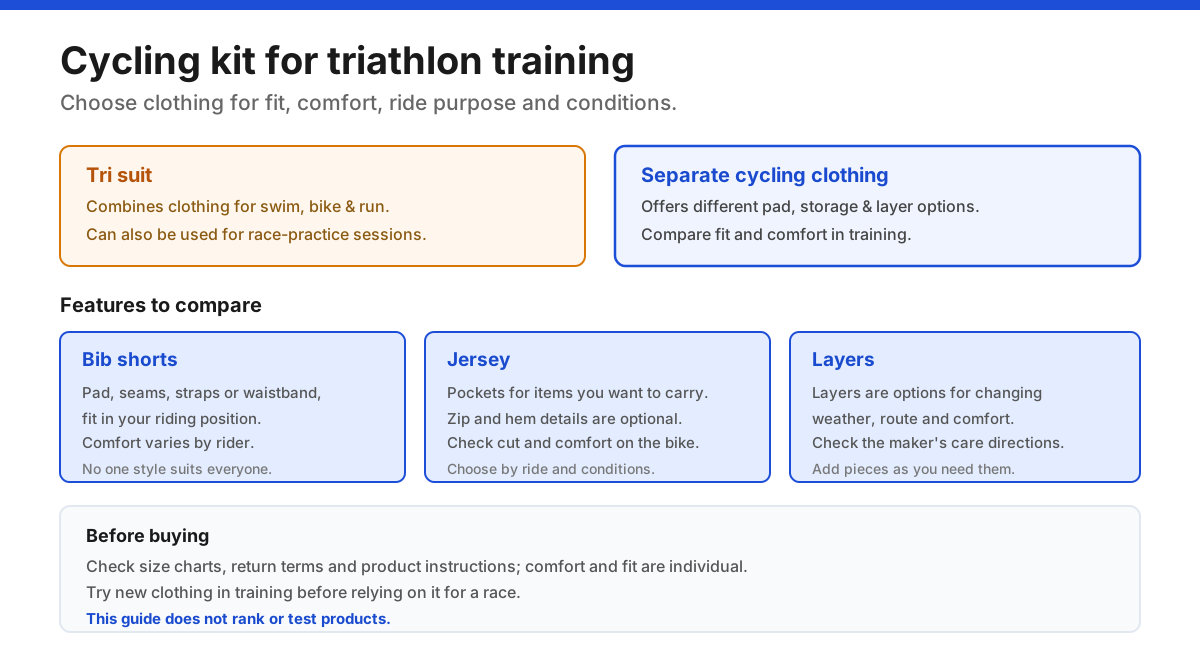
Cycling clothing for triathlon training is a matter of ride purpose, fit, comfort and conditions. Some athletes prefer separate cycling shorts and jerseys for longer rides; others train in a tri suit or different clothing. This guide explains features to compare and questions to ask when choosing bib shorts, jerseys and layers. It does not rank or test products, and comfort varies by rider and fit.
Key takeaways
- 1Choose clothing for the session, weather and your comfort; a tri suit can also be used for training and race practice.
- 2Bib shorts and waist shorts have different designs and trade-offs. Fit and preference matter more than a universal ranking.
- 3Compare the chamois, seams and fit in your riding position; a product label cannot guarantee comfort for every rider.
- 4Pockets, zips, hem details and layers are useful only when they suit what you carry and the conditions you ride in.
- 5Try new clothing during training before relying on it for an event, and check the manufacturer's sizing and care guidance.
In this article
- 1Quick answer: what cycling kit do you need?
- 2Tri suit vs cycling kit: when to wear which
- 3Bib shorts: the single most important piece
- 4Bib shorts and waist shorts: compare the trade-offs
- 5The jersey: what actually matters
- 6Fit is everything — and it's personal
- 7Build a year-round layering system
- 8Fabric, care and how long kit lasts
- 9Common mistakes to avoid
- 10Budget: where to spend and where to save
- 11The bottom line
- ⚖Questions to ask when choosing cycling kit
- ?Frequently asked questions
Quick answer: what cycling kit do you need?
There is no fixed kit list that suits every athlete or training week. Start with clothing you already own that is comfortable and appropriate for the session and weather. If you want dedicated cycling clothing, compare shorts, tops and layers by fit, features and how you plan to use them; add pieces as your riding and laundry needs become clearer.
A tri suit is designed to be worn across swim, bike and run, so many athletes also use it for race-practice sessions. Separate cycling clothing offers different pad, pocket and layering options, which some riders prefer for longer training rides. There is no universal ride-duration cutoff that makes one choice right for everyone.
This is a feature guide, not a model list or product test. Fit and comfort are personal, and product models, sizing and care instructions vary. For race-day clothing, see the tri suits guide and what to wear during a triathlon; this page focuses on clothing choices during training.
Tri suit vs cycling kit: when to wear which
A tri suit combines clothing for the swim, bike and run. Separate cycling shorts and jerseys give you another set of options for pad shape, storage and weather layers. Neither category is automatically best for every training ride: consider what the session involves, what you will carry, what the weather requires and what feels comfortable.
Wearing your race tri suit in a controlled training session can help you practise your event clothing. Separate cycling kit may be more comfortable for some riders or conditions. Follow garment care instructions and avoid assuming that any item will feel the same for every distance or athlete. The tri suit guide covers clothing intended for race day.
Bib shorts: the single most important piece
Bib shorts use shoulder straps; waist shorts use a waistband. If you compare bib shorts, consider whether the straps sit comfortably, whether the pad stays in a comfortable position and whether seams or edges bother you while riding. A product's listed features do not guarantee that its fit or padding will suit your body and riding position. Try it in training before using it for an important event.
Research has discussed cycling-related pressure and urogenital symptoms, but it does not establish one chamois design as a universal remedy. If numbness or pain keeps returning, check your position and saddle setup with a qualified bike fitter and seek clinical advice when appropriate. See the saddle guide, bike-fit guide and chafing guide.
Bib shorts and waist shorts: compare the trade-offs
Bib shorts and waist shorts hold the pad differently. Some riders prefer shoulder straps and no waistband; others prefer the easier on-and-off of waist shorts. Strap shape, waistband feel, bathroom access and how the garment fits your riding position can all matter. There is no option that wins for every body or ride. If possible, try a garment with the return policy in mind and test comfort in training. See tri shorts vs cycling bib shorts for a separate comparison.
The jersey: what actually matters
Jersey features are options to compare, not requirements. Rear pockets can be useful if you plan to carry small items in your top; a zip may help with ventilation; and the cut or hem finish may affect comfort in your riding position. Think about what you carry, how you layer and the conditions you ride in. The right number of pockets, fabric, fit and details depend on your needs, so there is no universal minimum feature list.
Fit is everything — and it's personal
Check the maker's size chart and, where possible, try clothing in the riding position you use. Make sure it allows comfortable movement and breathing and that straps, seams and waist or leg openings do not create pressure points. Sizing and cut vary between products; compare the actual garment rather than relying on the label alone. If a retailer offers returns, check the conditions before ordering. Persistent discomfort or numbness may need a bike-fit or clinical assessment, not just a different size.
Build a year-round layering system
Choose layers for the forecast, route, ride duration and your own comfort. Arm or leg warmers, a vest, gloves, a base layer or a rain shell are examples of pieces riders may combine; you do not need every item. Check the garment's temperature range, care directions and weather limits with its maker, and carry only what is appropriate for the conditions and route. Add pieces as you find a need for them. For indoor alternatives, see the smart bike trainers guide.
Fabric, care and how long kit lasts
Follow the care label and product instructions: washing temperature, detergent, drying method and any restrictions can differ by garment. After a ride, change out of wet clothing when practical and wash it as directed. Inspect clothing over time for damaged seams, worn closures or a fit that has changed. There is no dependable lifespan for every item, and rotating garments does not guarantee a particular replacement interval.
Common mistakes to avoid
Avoid buying a full wardrobe before you know what you need. Check fit in a riding position, consider the conditions and storage for the session, and try new clothing before race day. Do not assume that a specific fabric, pad shape or clothing category will work for everyone. If a garment causes recurring discomfort, review fit and seek qualified help when needed.
Budget: where to spend and where to save
Set a budget that fits your needs and compare the features that matter to you, the size range, care instructions and return terms. A higher price does not guarantee a better fit or more comfort for a particular rider. You can add spare clothing or weather layers as your schedule and conditions make them useful rather than buying a complete kit at once. For the wider first-timer equipment list, see first-triathlon gear essentials.
The bottom line
Choose cycling clothing for the ride, weather and your comfort. A tri suit and separate cycling kit each offer different features; neither is automatically the right choice for every training session. Compare fit, pad, storage and layers, follow product care instructions, and try anything new before race day. This guide does not test or rank particular products.
Next, see tri suits for race-day clothing, tri shorts vs cycling bibs for another comparison, best triathlon saddles and bike fit for saddle comfort, and how to prevent chafing for skin-care considerations.
Questions to ask when choosing cycling kit
| Item | What to compare | Why it depends on you |
|---|---|---|
| Shorts | Pad, seams, straps or waistband, riding-position fit | Comfort and fit vary by rider |
| Jersey | Fit, pockets, zip and fabric | Useful features depend on what you carry and the conditions |
| Layers | Forecast, route and garment instructions | The right combination depends on weather and personal comfort |
Sources
Sources are listed so readers can verify consequential claims and dated details.
- Cycling-related urogenital problems: a systematic review — PubMed (accessed September 20, 2026)
Frequently asked questions
Can I train in my triathlon suit?
Yes, if it is comfortable and suitable for the session and conditions. Some athletes use a tri suit for race-practice workouts; others prefer separate cycling clothing for some rides. There is no universal ride-duration cutoff that applies to everyone.
Are bib shorts or waist shorts better for triathlon training?
They have different designs and trade-offs. Some riders prefer bib straps and no waistband; others prefer waist shorts or easier bathroom access. Compare fit and comfort in your riding position rather than assuming one style suits every rider.
How long do cycling bib shorts last?
There is no dependable lifespan for every garment. Follow the care label and check the seams, closures, fit and comfort over time. Replace clothing when it is damaged or no longer works for your needs.
Do I need a cycling jersey?
No specific jersey is required for every training ride. Consider weather, comfort and whether you want pockets or a zip, and check that your clothing is suitable for the route and conditions.
Should I wear underwear under bib shorts?
Follow the garment maker's instructions and choose what is comfortable for you. Some riders prefer wearing bib shorts directly against skin to avoid extra seams; test clothing choices in training.
How much should I spend on cycling kit?
Set a budget you can afford and compare fit, comfort, product instructions and return terms. A higher price does not guarantee that a garment will suit you. Add spare clothing or layers as your needs become clearer.