How to Prevent Chafing in a Triathlon: Fit, Skin Care and Race-Day Steps
Understand how triathlon kit can rub, assess familiar fit and skin products, and recognize when irritation needs medical care.
By Lotte
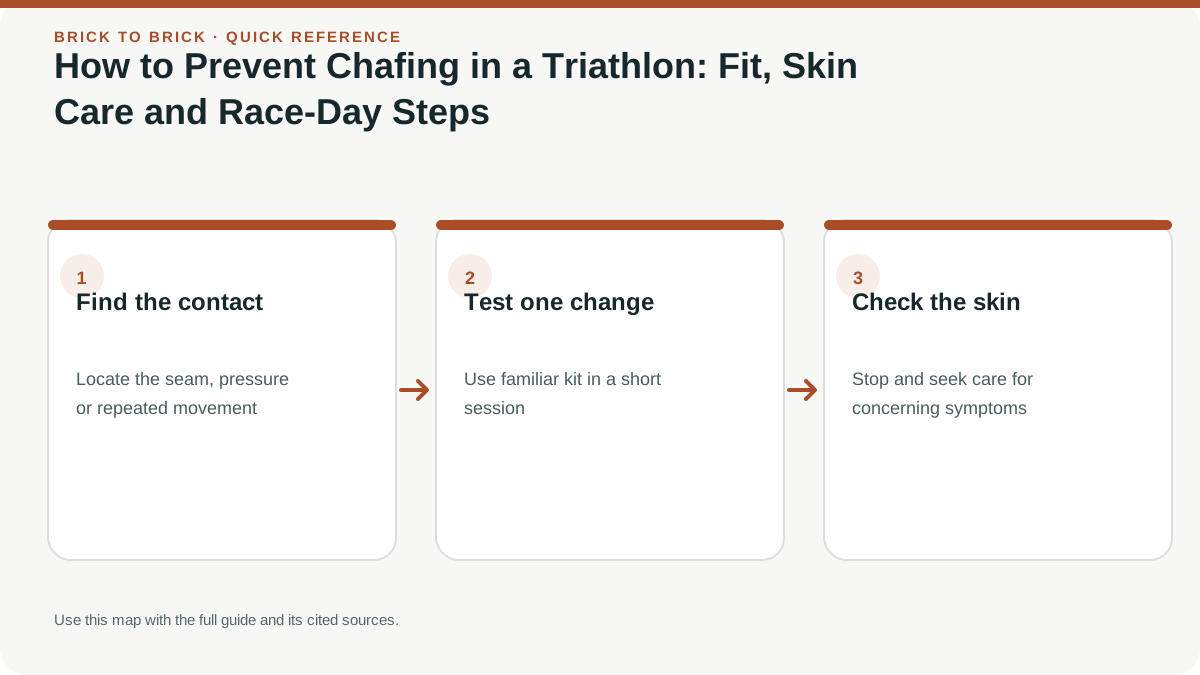
Chafing results from repeated friction and can be affected by moisture, pressure, clothing and skin sensitivity. This guide covers practical prevention, product compatibility, hot spots, blister care and symptoms that warrant medical advice.
Key takeaways
- 1Chafing is repeated friction; fit, seams, moisture, movement and pressure can all matter.
- 2Test garments and skin products in training, and check exact wetsuit and apparel compatibility.
- 3There is no universal product, application amount or reapplication interval.
- 4Clean small superficial irritation gently and stop repeated rubbing; do not ignore significant pain or bleeding.
- 5Worsening redness, warmth, pus, fever, severe skin loss or a serious allergic reaction needs medical care.
In this article
- 1Quick answer: how do I stop chafing in a triathlon?
- 2Why triathletes chafe more than runners or cyclists
- 3The 7 chafing hot spots in triathlon (and how to protect each)
- 4Anti-chafe products: which one to use and when
- 5Gear choices that prevent chafing in the first place
- 6Race-morning anti-chafe routine (T-30 minutes)
- 7What to do if you start chafing mid-race
- 8Post-race recovery: treating chafed skin
- 9Special situations
- 10Friction, moisture and pressure: a practical model
- 11Use a one-variable kit test
- 12Wetsuits, lubricants and material compatibility
- 13Nipples and chest friction
- 14Feet, blisters and sockless running
- 15Saddle-area soreness is not always simple chafing
- 16Sports bras, straps and body shape
- 17Barrier products and sensitive skin
- 18When to stop and get medical care
- 19How to maintain hygiene across race week
- 20A post-event skin check
- 21Keep the routine practical and individual
- 22A training-day checklist for finding the cause
- 23What to keep in a small skin-care kit
- ⚖Anti-chafe products: which to use where
- ?Frequently asked questions
Quick answer: how do I stop chafing in a triathlon?
Reduce friction before it becomes a raw patch: wear a familiar, well-fitting kit; identify where fabric, straps, a wetsuit or repetitive motion rubs; and test a skin lubricant or barrier on a training day if your skin tolerates it. There is no single product, application amount or reapplication time that suits every athlete. Check that a product is compatible with your wetsuit and clothing materials, and follow both manufacturers' instructions. Do not apply a new product to broken or irritated skin without appropriate advice. If skin is already raw, ease friction, rinse gently and stop if pain or bleeding makes movement unsafe. Chafing is common but not always preventable; this guide explains choices and care without promising a race-day cure. For related kit decisions, see our bike-fit guide, cleat guide and race-morning routine.
Why triathletes chafe more than runners or cyclists
Chafing happens when repeated friction irritates skin. Moisture, heat, salt residue, seams, pressure and repeated movement can make a hot spot more likely or more uncomfortable. A triathlon asks an athlete to swim, change clothes or equipment, cycle and run while wet fabric and kit continue to move against the body. The exact combination varies: a wetsuit collar may rub one person, while a shoe edge, bra band, saddle contact or jersey seam bothers another. There is no dependable rule that wet fabric rubs a fixed number of times harder, and not every athlete will chafe. Wiping away grit and checking fit can help, but a product cannot overcome every source of friction. Persistent or broken skin deserves care rather than more rubbing or repeated product application.
The 7 chafing hot spots in triathlon (and how to protect each)
Check the neck and jawline where a wetsuit collar moves; underarms where arm swing and fabric meet; inner thighs where clothing or skin rubs; chest and nipples under a wet top; hands and wrists under straps or cuffs; feet and toes inside shoes or socks; and the saddle-contact area during a long ride. This is a checklist, not a ranking—anatomy and kit differ. Before race day, note the location and cause of any training hot spot. Adjust one variable at a time: fit, seam, clothing layer, sock, shoe lacing, strap position or lubricant. Wetsuit contact zones need special product-compatibility checks. If a saddle sore is recurrent or deep, review bike position and hygiene with a qualified professional instead of covering the area and continuing through pain.
Anti-chafe products: which one to use and when
Skin lubricants and barrier products come in sticks, balms, creams and ointments. Their feel, ingredients, persistence and compatibility vary. Choose based on the location, duration, skin sensitivity, water exposure, clothing and manufacturer guidance—not brand popularity. A fragrance-free, familiar product may be preferable for sensitive skin, but “natural,” “hypoallergenic” or “waterproof” on a label does not guarantee that it will suit every person. Petroleum jelly can be useful as a skin protectant for some purposes, but it may affect certain materials and can make a surface slippery; check wetsuit and apparel care instructions first. No universal race duration determines when to reapply, and aid stations do not reliably stock a particular product. Patch-test a small area before a long session. Do not apply lubricant to areas where it could compromise grip, braking, shoe retention or race rules.
Gear choices that prevent chafing in the first place
A garment that fits smoothly without pinching, bunching or restricting movement can reduce rubbing, but snugness alone does not guarantee comfort. Check seam location and fabric movement during the sport-specific motion, not only while standing in a shop. Practice in the actual combination of tri suit, sports bra, wetsuit, shoes, socks and race belt you plan to use. If an item rubs during a short training session, learn whether the cause is its fit, the layer beneath it, its position or movement. A thicker pad is not automatically more comfortable; a pad must match the rider, saddle, duration and position. Wetsuit collar design and body shape vary, so try the intended fit and ask the manufacturer about care and lubricant compatibility. Never race in untested clothing or attempt major alterations just before the event.
Race-morning anti-chafe routine (T-30 minutes)
A useful routine is simple and repeatable: start with clean, dry skin if practical; put on familiar clothing without twisting or folding seams; check high-friction areas in the movements you will use; apply only a product you have already tolerated and only where it is appropriate; then inspect again after the wetsuit, race belt, watch and shoes are in place. The order depends on the garment and product instructions. There is no need to shower immediately before racing if that dries or irritates your skin. Do not use a large amount just because an online routine specifies it, and avoid applying creams where they can transfer to hands, brakes, pedals or the swim start surface. Rehearse the steps in training and allow enough time to change a garment if it pinches. Use the hour-by-hour race-morning checklist for the rest of the preparation.
What to do if you start chafing mid-race
First decide whether the symptom is mild rubbing or a problem that makes continuing unsafe. If practical, stop at a safe place, remove or reposition an irritating item, and ask a volunteer or medical team for help. Do not assume the aid station has lubricant, bandages or a private place to change. Follow rules on outside assistance and litter. Pouring water inside clothing is not a universal fix: it may wash out grit, but it can also leave fabric wet, increase rubbing or chill you. Avoid repeated rubbing, aggressive wiping and application of an unknown product to broken skin. If there is bleeding, significant skin loss, severe pain, dizziness, confusion or another concerning symptom, seek medical assessment and consider withdrawing. Do not change bike position abruptly while moving or use a hand to adjust clothing in traffic.
Post-race recovery: treating chafed skin
After the event, change out of wet or abrasive kit and rinse skin gently with clean water. Pat rather than scrub dry. For a small superficial irritated area, reduce friction and keep it clean; an appropriate simple barrier may protect it if the product is tolerated. Avoid applying several active or fragranced products to broken skin. Do not cut away blister skin. A large, deep, contaminated or increasingly painful area, spreading redness, warmth, swelling, pus, red streaks, fever or feeling unwell needs medical advice. After open-water exposure, tell the clinician about it if an abrasion becomes infected or you develop systemic symptoms. Recovery time varies with depth, location, health and repeated rubbing, so avoid a fixed “three-to-five-day” promise. The recovery guide covers broader rest planning.
Special situations
Heat, humidity, rain, salt water and cold can change comfort, but no weather condition makes one lubricant universally superior. Use clothing layers appropriate for the forecast and event policy. Sea water may leave salt residue; rinse after the swim when practical rather than assuming that salt is the only cause of skin irritation. If your skin reacts to fragrance, adhesives, wool, latex or an ingredient, check labels and patch-test beforehand; an adhesive cover can itself irritate skin. Do not shave or remove hair solely to prevent chafing—hair removal can create its own irritation and cuts. Sports-bra band and strap friction can affect athletes of any body type; fit, moisture, seam, repeated motion and product sensitivity may all matter. For recurrent symptoms, an appropriately qualified clinician or dermatologist can assess dermatitis, infection or another skin condition.
Friction, moisture and pressure: a practical model
Think of a hot spot as the result of contact plus repeated movement. A seam may rub because it sits over a moving joint. A shoe may move because it is too loose, too tight or laced in a way that creates pressure. A wetsuit may pull at the neck during breathing or sighting. A sports-bra edge may shift as the torso moves. Sweat and water can soften or macerate skin, while dried residue may irritate it; temperature and duration change the experience. This model helps you investigate the actual cause instead of assuming every sore patch needs a stronger balm. Note where it begins, what movement triggers it and which layers touch that spot. Then test one change in a short, low-stakes training session. If the problem is recurrent, severe or present outside exercise, a dermatologist or other clinician can distinguish frictional irritation from contact dermatitis, infection or another condition.
Use a one-variable kit test
When you change a suit, shoe, bra, sock, saddle, strap or lubricant, keep other gear familiar for the first test. Use a short session that includes the movement most likely to create friction—swim strokes for underarms, a controlled ride for saddle contact, or an easy run for feet and thighs. Stop if the irritation worsens; do not continue simply to “prove” the gear works. Afterward, check for redness, tenderness, blistering or a product reaction and note the duration before symptoms began. Repeat a comfortable setup on another training day before using it in a race. This method cannot guarantee an event without chafing, because race duration and conditions differ, but it can identify obvious problems while you have time to adjust. Record garment model and size, socks, lacing, product and weather so that an apparently small change is not forgotten.
Wetsuits, lubricants and material compatibility
Wetsuit materials and coatings vary between brands and models, and care instructions can differ. Do not assume that every petroleum-based product damages every neoprene suit—or that every product labeled “triathlon lubricant” is approved for every suit. Check the suit manufacturer's current care and use instructions or ask its support team about the exact product ingredient. Keep lubricant away from surfaces where a slippery transfer could affect grip or control. Apply only to skin areas where rubbing is expected, not indiscriminately over the suit. If a product is incompatible, it can compromise equipment or the manufacturer's warranty; if it irritates skin, wash it off and stop using it. When uncertain, choose a suit-approved approach and focus on collar fit, correct sizing, body position and careful suit removal. Test any new product well before the event.
Nipples and chest friction
Repeated fabric movement can irritate nipples and the surrounding skin during cycling or running. This can affect athletes of any gender and can happen under a tri suit, jersey, base layer or sports bra. Try familiar clothing with seams and fabric that do not slide excessively. A small amount of tolerated skin lubricant or a purpose-made adhesive cover may help some athletes; neither is guaranteed, and adhesives can irritate sensitive skin. Remove adhesive slowly according to its instructions and do not place it over broken or inflamed skin without advice. If you notice bleeding, clean gently and cover the area with a dressing that will not stick to the wound. Significant pain, repeated bleeding or a skin reaction calls for assessment. Test covers on an ordinary training day, because sweat, water and hair can affect adhesion.
Feet, blisters and sockless running
A blister is a fluid-filled pocket caused by skin friction and pressure. Sockless running is not required in triathlon, and socks can be a useful choice if they fit and have been tested. Examine the shoe for fit, seams, debris and movement; check whether the foot slides during turns or when wet. Try a familiar sock, adjusted lacing or a shoe that fits the intended distance before applying a product. Lubricant between toes can feel slippery and may not address a shoe pressure point. Do not puncture a blister casually or remove its roof; intact skin helps protect the area. A large, painful, infected-looking blister or one in a person with diabetes, poor circulation or reduced sensation deserves medical advice. For a race, prioritize safe movement and medical support over preserving a planned time.
Saddle-area soreness is not always simple chafing
Rubbing, pressure, saddle sores, follicle irritation and skin infection can feel similar. A persistent or recurrent lump, open sore, severe tenderness or symptoms that continue when you are not riding should not be treated as a lubricant problem alone. Review saddle height and position with a qualified bike fitter, check that shorts or a tri suit are clean and fit appropriately, and wash and dry the area after riding. A chamois product may reduce friction for some riders, but it cannot correct excessive pressure, poor fit or infection. Do not apply an antiseptic, steroid or antibiotic cream without suitable advice. Seek medical assessment for spreading redness, warmth, pus, fever or worsening pain. See our bike-fit guide when position or contact pressure may be contributing, and our cleat types guide for foot-interface comfort issues.
Sports bras, straps and body shape
Sports-bra friction can occur at the band, seams, straps or edges, particularly when fabric remains wet and repetitive movement continues. Check size and support during the actual activity, not only at rest. A band that rides up, a strap that twists or a seam that crosses a sensitive spot may need a different garment or adjustment. A product applied to skin can help some forms of friction, but it will not fix a garment that shifts or compresses. Test any change during a controlled swim or run, and check wash and care instructions because detergent residue can irritate skin. Athletes who experience recurring rash or burning may have contact dermatitis or another skin condition, not just chafing. The 2026 European Academy of Dermatology and Venereology (EADV) information on sports-bra-related chafing discusses practical factors and when persistent symptoms warrant advice; individual evaluation remains important.
Barrier products and sensitive skin
A skin protectant can form a temporary barrier to moisture or friction, but ingredients differ and may trigger irritation or allergy. Check the label for fragrance, preservatives or other ingredients you have reacted to before. Test a small area in advance and wait to see whether redness, itching, burning or swelling develops. Do not layer multiple products in race morning because you cannot tell which caused a reaction. Avoid applying cosmetics or adhesive to a raw, infected or extensively broken area unless a qualified clinician advises it. Petroleum jelly is listed by the American Academy of Dermatology among uses for protecting minor skin irritation and keeping a wound moist, but that does not mean it is the right product for every athlete, wound or wetsuit. Keep products away from eyes and follow packaging. If a reaction includes facial swelling, breathing difficulty or rapid spread, seek urgent help.
When to stop and get medical care
Stop the activity and seek care when friction has caused substantial bleeding, skin loss, severe pain, impaired movement or an injury that makes running or cycling unsafe. A hot, swollen or increasingly painful area, spreading redness, pus, red streaks, fever or feeling unwell may indicate infection. A rash that is widespread, blistering, intensely itchy or associated with facial swelling could be a significant reaction. People with diabetes, poor circulation, immune suppression, reduced sensation or a history of serious skin disease should have a lower threshold to contact a clinician. For an emergency allergic reaction or severe illness, use local emergency services. Do not wait for the finish line because a race plan says a given distance remains. Medical volunteers can help decide whether continuing is safe.
How to maintain hygiene across race week
Wash kit according to the garment label and allow it to dry fully before packing. Avoid sharing personal towels, skin products, razors or clothing. Rinse off pool chemicals, lake water, salt and grit after training when practical, and change out of wet kit rather than sitting in it for hours. Keep products in their original containers or clearly labeled travel packaging, and avoid transferring a used stick or applicator between irritated areas. Clean hands before treating broken skin. Do not use a shared open jar if there is a risk of contamination. These steps cannot prevent every rash or infection, but they reduce avoidable contact and make it easier to identify a reaction. If a garment has retained detergent, sunscreen or product residue, wash it again before assuming your skin is the issue.
A post-event skin check
After changing, inspect known friction points in good light and note any open skin, blisters or rash. Rinse gently with clean water, pat dry and avoid scraping away salt, sand or adhesive. For an uncomplicated small abrasion, protect it from further rubbing and follow local first-aid guidance. The NHS advises gentle cleaning of cuts and grazes and attention to signs of infection; a healthcare professional can advise whether a particular wound needs a dressing or treatment. Do not share photos of intimate areas publicly to crowdsource a diagnosis. If you seek telehealth advice, use a secure provider and include relevant details such as open-water exposure, product use and how symptoms have changed. Recheck the area over the next few days, because worsening symptoms may not be obvious at the finish.
Keep the routine practical and individual
A good anti-chafe routine is not the longest one; it is a short routine that addresses your own known friction points and uses products and gear you have already tested. You might need no lubricant, a small amount in one location, a different seam or sock, or a bike-fit change. Keep the product label and event rules in mind, and do not assume a more generous coating is better. If the same area keeps breaking down despite reasonable adjustments, ask a clinician or qualified fitter to assess the cause. Your next steps can include changing equipment, treating a skin condition, adjusting a position or taking a break from the provoking activity. Preserve URLs and race plans, but preserve your skin too: postponing or withdrawing is appropriate when symptoms make participation unsafe.
A training-day checklist for finding the cause
When you notice a hot spot, pause at a safe point and describe it precisely: burning, rubbing, pressure, itch or sharp pain can point to different next questions. Check for a seam fold, grit, strap movement, wet fabric, shoe slippage or a new product. Do not immediately change five things, because you will not know what helped. If the symptom settles after you change one item, record that result and test it again on a later easy session. If it worsens, stop the provoking activity and inspect the skin after you are clean and dry. An itch or rash that spreads beyond the contact area may be a product or contact reaction rather than simple friction. A trainer or training partner can observe fit and movement, but a clinician should assess persistent skin disease, infection or an injury. Your notes are useful context, not a diagnosis.
What to keep in a small skin-care kit
A simple kit may include a clean towel, water for gentle rinsing, familiar clothing, a small amount of a tolerated skin barrier and a few appropriate dressings. It does not need several branded products or an elaborate race-day ritual. Store products so that they do not leak onto goggles, brake surfaces, food or electronics, and check their use-by date and packaging. A dressing should suit the location and movement; if you are unsure how to cover a wound, ask a pharmacist or clinician. Do not place adhesive over a known allergy, apply a shared open product to broken skin, or use a prescription cream that was intended for another condition. At an event, ask medical staff before treating a large wound. A small, prepared kit can reduce last-minute decisions, but no kit makes it safe to race through significant injury.
Anti-chafe products: which to use where
| Product | Best for | Lasts | Price |
|---|---|---|---|
| BodyGlide stick | All-around (neck, thighs, underarms) | 3–6 hours | $8–10 |
| Trislide spray | Wetsuit zones, full-body coverage | 2–4 hours | $15 |
| Chamois Butt'r | Saddle area, long-course bike | 4–6 hours | $12 |
| Squirrel's Nut Butter | Sensitive skin, hot weather | 4–8 hours | $15 |
| NipGuards | Nipples (single-use) | Full race | $10 (10 pack) |
Recommended gear
Affiliate disclosure: Brick to Brick may earn a commission from qualifying purchases, at no extra cost to you. Read our full affiliate disclosure. Unless a named method says otherwise, these are research-based recommendations rather than first-hand product tests.
BodyGlide Original Anti-Chafe Balm
The gold-standard stick balm for triathletes. Apply to neck, thighs, and underarms before the swim.
View on AmazonTrislide Anti-Chafe Spray
Silicone spray made specifically for triathlon. Speeds wetsuit removal and prevents neck rash.
View on AmazonChamois Butt'r Original
Thick chamois cream for the saddle area on long-course racing.
View on AmazonSquirrel's Nut Butter
Natural, long-lasting balm for sensitive skin and hot-weather races.
View on AmazonNipGuards Race Pack
Adhesive covers that prevent nipple chafing and bleeding for male runners.
View on AmazonSources
Sources are listed so readers can verify consequential claims and dated details.
- How your workout can affect your skin — American Academy of Dermatology (accessed September 25, 2026)
- Petroleum jelly: Safe for your skin — American Academy of Dermatology (accessed September 25, 2026)
- Sports-bra-related chafing in female athletes — European Academy of Dermatology and Venereology (accessed September 25, 2026)
- Cuts and grazes — National Health Service (accessed September 25, 2026)
- Blisters — National Health Service (accessed September 25, 2026)
Frequently asked questions
What is the best anti-chafe product for a triathlon?
There is no single best product for everyone. Choose a skin-tolerated product that is compatible with the exact clothing and wetsuit, and test it in training.
Can I use petroleum jelly under a triathlon wetsuit?
Check the wetsuit manufacturer's current care instructions and the product label. Compatibility varies by material and product; do not assume every combination is safe.
Should I pour water inside my tri suit if it chafes?
Not as a universal fix. Water may rinse residue but can leave fabric wetter and increase rubbing or discomfort. Follow event guidance and seek help for significant symptoms.
Should I pop a running blister?
Do not casually puncture a blister or remove its skin roof. Protect it from further friction and seek medical advice for a large, painful or infected-looking blister.
When should I see a clinician for chafing?
Get medical advice for substantial skin loss, severe pain, spreading redness, warmth, swelling, pus, fever, recurring sores or symptoms that worsen or do not improve.