What to Eat the Night Before a Triathlon: A Flexible Dinner Guide
Choose a familiar, satisfying triathlon-eve dinner without a giant pasta meal or last-minute nutrition experiment. Learn how dinner differs from carbohydrate loading and race-morning breakfast.
By Lotte
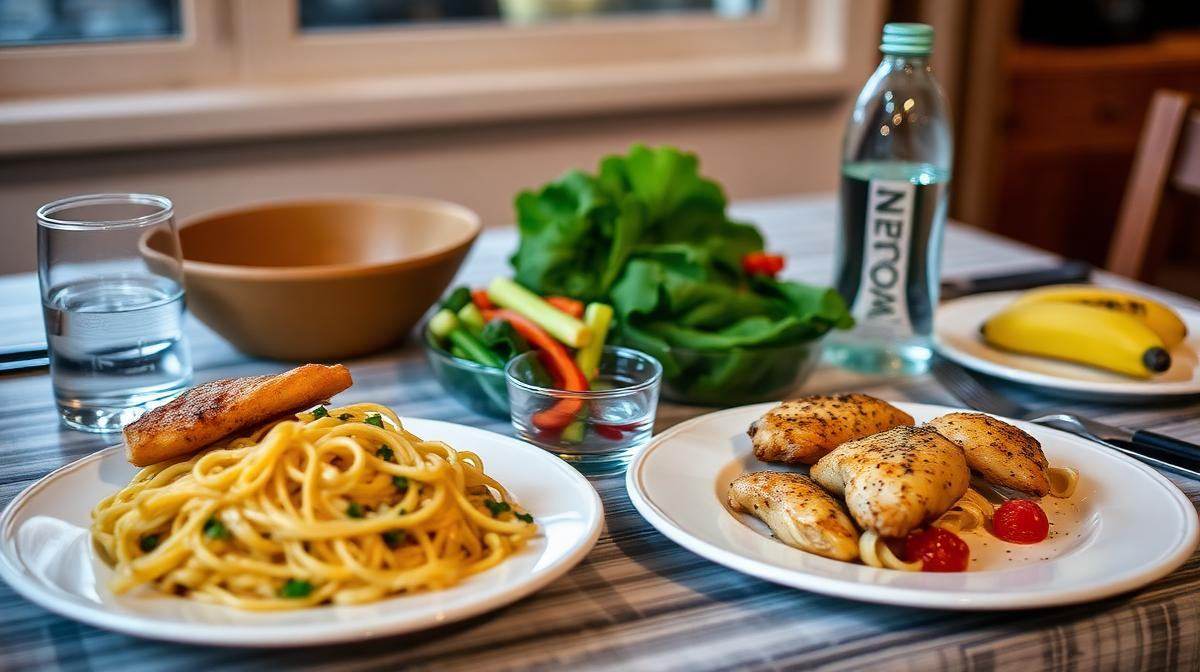
The night before a triathlon is a time for familiar food, a comfortable meal and fewer morning logistics—not a giant pasta dinner or a new supplement. This guide explains how dinner fits alongside multi-day carbohydrate loading, race-morning breakfast, individual food tolerance, travel and health needs.
Key takeaways
- 1Choose a familiar, satisfying dinner that fits your normal diet and appetite; there is no universal race-eve menu.
- 2A single dinner is not carbohydrate loading; any loading strategy for a long event is planned across the preceding day or days.
- 3Do not adopt blanket low-fiber, low-fat or fixed meal-timing rules unless your own experience or clinician supports them.
- 4Drink normally according to your established routine; do not force fluids or add sodium from generic advice.
- 5Prepare breakfast and race logistics separately, and follow individualized guidance for medical or dietary needs.
In this article
- 1Quick answer: what should dinner look like?
- 2Avoid the last-minute feast
- 3Adjust only for known tolerance
- 4Food safety and logistics
- 5Dinner is different from carbohydrate loading
- 6Build dinner from familiar parts, not a race-day formula
- 7Choose a meal time that supports comfort and sleep
- 8Adjust for appetite, nerves and the taper
- 9Plan for allergies, dietary patterns and medical needs
- 10Use the evening to reduce morning decisions
- 11Adjust the dinner plan to your event and schedule
- 12What the evidence supports and what remains individual
- ⚖Flexible dinner building blocks: choose familiar options
- ?Frequently asked questions
Quick answer: what should dinner look like?
Eat a familiar, satisfying dinner that includes foods you normally tolerate. For many triathletes, that means a carbohydrate-rich staple such as rice, pasta, bread, potatoes or another familiar grain, plus a familiar protein food and any vegetables, sauces or sides that usually sit well. Let your appetite and training-tested routine guide the amount. You do not need one prescribed menu, a giant bowl of pasta, or a special supplement the night before a race.
The evening meal is one part of race preparation. If you are racing a long endurance event and plan to increase carbohydrate intake, that is a broader strategy across the preceding day or days, not a single dinner. Keep race-morning breakfast and on-course fueling as separate parts of your plan; see our race-morning breakfast timing guide for that decision. If this is your first race, consistency and logistics are usually more useful than trying to calculate a precise dinner target from a generic online formula.
Avoid the last-minute feast
A very large or unfamiliar meal can leave you uncomfortable, thirsty, or awake with indigestion. It also cannot compensate for under-fueling earlier in the week or replace a practiced race plan. Eat a normal evening meal with enough familiar carbohydrate for your needs rather than forcing extra servings because a race is coming. If you have been following a deliberate endurance fueling plan, continue the planned pattern rather than cramming its remaining food into one sitting.
Race nerves and a lighter training schedule can change hunger. If you are less hungry than usual, do not panic or try to “make up” a calculated deficit all at once. Choose a familiar meal or split a normal meal into smaller familiar servings if that works better for you. If you feel hungrier, a snack you already tolerate is reasonable; there is no rule to stop eating a set number of hours before bed. Avoid deliberately restricting food to feel lighter or to change body weight before the race. A comfortable, adequately fueled athlete is the goal, not a particular scale reading.
Keep the evening routine calm and predictable. Do not test a new gel, supplement, unusually spicy dish, alcohol strategy, or large caffeine dose as a way to influence performance or sleep. If a food usually causes symptoms, skip that experiment and use a known alternative. A single dinner is not a performance guarantee; the plan you have practised over time matters more.
Adjust only for known tolerance
There is no need to make every dinner low in fiber, fat, dairy or seasoning. These foods are part of many athletes' usual diets and can fit a comfortable meal. Some people find that a large portion of beans, high-fiber cereal, fried food, rich sauce or very spicy food causes fullness or gut symptoms before exercise; others routinely tolerate it. Make changes only from your own experience, not from blanket race-week rules.
Use training to learn what works. If a particular dinner has felt comfortable before a long session, it may be a reasonable option the evening before the race. If you have not tested it, this is not the time to add a new ingredient or eat an unusually large quantity. Keep familiar seasonings and food combinations. A dietary pattern that excludes gluten, animal foods or dairy can still have familiar carbohydrate sources; choose options consistent with the diet you already follow rather than improvising substitutions.
If you live with celiac disease, food allergy, diabetes, inflammatory bowel disease, reflux, an eating disorder, pregnancy-related needs, or another condition that affects eating, general sports advice may not fit your situation. Follow your clinician's and qualified sports dietitian's guidance. Do not change prescribed medication, insulin, supplement use or a medically directed diet because a race article recommends a food. Seek individualized advice if a race plan repeatedly triggers significant symptoms or makes eating stressful.
Food safety and logistics
Make tomorrow easier by deciding where dinner will come from before the evening is busy. If you are staying away from home, identify a familiar meal you can obtain reliably, check restaurant hours, and keep a backup food you know how to prepare. Pack any dietary staples that may be hard to find at the venue. If food needs refrigeration or special handling, follow the package and local food-safety instructions; do not rely on a dish that has been stored or transported questionably.
After dinner, prepare the items that would otherwise create morning stress: breakfast ingredients, bottles, utensils, and any food you plan to take to the venue. Keep morning foods separate from bike and run fuel so you do not forget an item during check-in. Write the breakfast and departure plan down if race nerves make it hard to remember. The triathlon race-morning timetable can help with event logistics, while this page stays focused on the previous evening.
Drink normally with the meal and through the evening according to your established hydration routine and thirst. Do not chug a large amount of water, force extra fluid to make urine clear, or add salt just because someone says to “load” it. Hydration needs vary with the athlete, weather, diet and prior fluid losses. Follow an individualized plan if one has been developed with a qualified professional, and follow medical advice when a health condition affects fluid or sodium intake.
Dinner is different from carbohydrate loading
A common misconception is that the night-before meal itself “loads” the muscles. Muscle glycogen preparation, when relevant, is built through the overall eating and training pattern before an endurance event. A single dinner can contribute carbohydrate, but an oversized serving cannot reliably undo a day or week of inadequate energy intake or create a personalized race plan overnight.
Sports-nutrition guidance distinguishes a normal pre-event meal from a dedicated carbohydrate-loading strategy. The 2016 joint position statement from the Academy of Nutrition and Dietetics, Dietitians of Canada and the American College of Sports Medicine describes carbohydrate loading for sustained or intermittent events expected to last more than about 90 minutes, using an elevated intake across roughly 36–48 hours. That is a specific preparation strategy; it does not mean every sprint or Olympic triathlete needs a dramatic change or that every athlete should follow the same menu. The statement also discusses pre-event meals separately from this longer loading period. Read the position statement abstract and ask a sports dietitian whether a loading protocol suits your event and personal needs.
If you choose to use a loading strategy, plan it before race week and practise the food pattern during training. The larger carbohydrate volume can be difficult to eat, and an abrupt change may cause fullness or gastrointestinal symptoms. Do not force amounts that cause distress. Our triathlon race-week nutrition guide explains how event demands change the broader week. This page's purpose is narrower: choosing a familiar dinner and organizing the evening without making a last-minute nutrition experiment.
Build dinner from familiar parts, not a race-day formula
A flexible dinner can be assembled from foods that already belong in your routine. Choose a familiar starchy or grain-based food if you normally eat one, add a protein source you tolerate, and include the sides, vegetables, fruit, bread or sauce you usually enjoy. There is no required plate ratio here and no need to weigh portions. Think of these as menu ideas, not prescriptions:
- A rice bowl with a familiar protein, cooked vegetables and a sauce you have eaten before.
- Pasta with a familiar tomato, oil-based or other tolerated sauce, alongside a usual side.
- Potatoes or bread with a familiar protein and the vegetables or fruit you prefer.
- A plant-based meal using grains, potatoes, tofu or other familiar foods that meet your normal dietary needs.
- A simple meal assembled from familiar grocery-store items when travel limits cooking options.
A dish does not have to be “white,” bland or made only of starch to be appropriate. If a higher-fiber meal usually sits comfortably, there is no universal reason to avoid it. If you know a particular food causes digestive symptoms before hard exercise, choose a lower-risk familiar alternative. The point is to reduce uncertainty, not to rank foods by a supposed race-day virtue.
Cultural foods and household routines can fit this approach. Use a meal you already know how to portion and prepare, and adapt only where experience tells you a change helps. If allergies or dietary restrictions narrow your choices, plan around safe foods rather than taking a chance on an unfamiliar substitute at the venue.

Choose a meal time that supports comfort and sleep
There is no universal clock time for dinner. Event start times, check-in, travel, household routines and sleep schedules differ. Eat at a time that gives you a comfortable evening and fits how you normally digest a meal. A large dinner immediately before lying down may bother someone with reflux or a sensitive stomach, while another athlete may feel fine. Use your own history and any clinician's advice instead of treating a fixed “stop eating” time as a performance rule.
If check-in or travel pushes dinner later, you can select a simpler meal, eat part earlier and part later, or use a familiar snack if a full dinner is not practical. Do not skip food automatically because the ideal restaurant is closed. A small familiar meal is better aligned with the goal than forcing a large meal after a long wait. Keep enough time to prepare your morning food and gear without turning dinner into a rushed task.
Sleep is part of race preparation, but no dinner can guarantee a perfect night. A familiar menu and a predictable routine may reduce avoidable uncertainty. Avoid experimenting with alcohol, supplements, sleep medication or late caffeine to change how you sleep; use medication only as directed by your clinician. If you have a regular meal routine that works, a race eve is usually not the moment to replace it with someone else's schedule.
Adjust for appetite, nerves and the taper
Many athletes eat differently when training volume drops, travel starts or race nerves appear. A smaller appetite does not automatically mean you must force food; a stronger appetite does not mean you have failed a plan. Keep regular meals and familiar snacks available, then choose amounts that feel manageable and support the plan you have already practised. Avoid using the scale, a calorie target or a single online checklist to decide whether dinner was “enough.”
If nerves make solid food unappealing, consider a familiar option you have used before, such as soup with bread, a smoothie, cereal, yogurt or another food that fits your diet. A liquid meal is not automatically easier to digest and is not needed by everyone. If you cannot eat because of persistent nausea, significant anxiety or a medical issue, seek advice from a clinician or sports dietitian who understands your situation instead of trying several unfamiliar products.
Do not cut food to compensate for reduced training, try to manipulate body mass before the event, or “earn” dinner with a workout. Adequate energy supports health and training, and race-week under-fueling can be counterproductive. If you are recovering from illness, have had recent gastrointestinal symptoms, or are following a prescribed nutrition plan, discuss the event-day adjustment with the professional supporting your care. This article cannot assess an individual's energy needs or medical status.
Plan for allergies, dietary patterns and medical needs
A generic pasta dinner is not a safe or inclusive answer for every athlete. A triathlete with celiac disease needs food that is actually gluten-free and protected from cross-contact; a person with an allergy needs to follow their established avoidance plan; and an athlete with diabetes or another condition may need a clinician-approved race plan. If travelling, confirm ingredients and preparation practices with the restaurant rather than guessing from a menu name. Carry safe backup food when you can do so within event rules and food-safety needs.
Vegetarian and vegan athletes can use familiar sources of carbohydrate and protein from their established diet. The night before is not a good time to test a new supplement or unfamiliar substitute to meet an online macro target. If appetite, energy availability, recovery or gastrointestinal symptoms have been difficult during training, a sports dietitian can help build a plan that covers health and performance instead of just the final dinner.
Medication and fluid guidance can interact with food choices. People taking insulin or other glucose-lowering medication, those advised to restrict fluid or sodium, and athletes managing kidney, cardiac or gastrointestinal conditions should follow individualized medical guidance. Do not adjust a dose or fluid limit from a general article. If the current plan conflicts with race logistics, ask the care team early enough to decide on a safe alternative.
Use the evening to reduce morning decisions
The practical value of race-eve preparation is often the small decisions it removes. Before sitting down to dinner, check the current athlete guide for when transition opens, where the swim start is, and what foods or drink you can bring into the venue. Set aside the breakfast you already chose, confirm that it is within the venue rules, and keep it in a way that preserves safe storage. Refill water bottles only according to your normal plan and the event's drinking-water access.
After the meal, arrange breakfast utensils, a bag for wrappers, a bottle opener if relevant, and a backup item you have tested. Put any race-morning reminder where you will see it. You can also note when you will eat, where you will be, and what to do if the schedule changes. That note is an operational plan, not a required eating time. Do not add extra food or fluid simply because the morning checklist contains a blank.
Keep the dinner page distinct from the breakfast page: dinner is about familiar food, comfort, and logistics the evening before; breakfast is a separate decision that depends on wake-up time, start format, tolerance and the event schedule. Use the race-morning breakfast timing guide to plan that window, and the race briefing guide for event-specific logistics.
Adjust the dinner plan to your event and schedule
A sprint race or short local event usually does not require a special race-eve menu. If your ordinary meals support training and you tolerate them, keep the same pattern. A longer event may give carbohydrate preparation a larger role, but any planned increase belongs across the preceding day or days rather than in one oversized dinner. Race distance alone does not determine an individual's plan; expected duration, training, health and food tolerance also matter.
An early start can make the previous evening feel more important because there is less time to cook or eat after waking. Solve that logistics problem by selecting dinner and preparing breakfast in advance. Do not try to compensate for a short morning window by eating a much larger dinner than usual. The morning meal remains its own decision and is covered in the linked breakfast guide.
A multi-day event adds a different issue: one evening meal may need to fit between race sessions, travel or recovery. Follow the organizer's schedule, use familiar foods that can be stored safely, and ask a sports dietitian to plan repeated competition days if you have a demanding event. If travel changes your usual dinner time, choose a practical, familiar option rather than leaving yourself with no food or improvising a new supplement. In every case, keep the decision tied to what you have tolerated and the requirements of the actual event.
What the evidence supports and what remains individual
Sports-nutrition guidance supports preparing for demanding endurance exercise with adequate energy and carbohydrate availability, while tailoring the amount, timing and food choices to the athlete and event. A 2016 joint position statement from the Academy of Nutrition and Dietetics, Dietitians of Canada and the American College of Sports Medicine describes pre-event food and fluid as a way to contribute to fuel availability, hydration and gastrointestinal comfort. It also says choices should account for individual preferences and experience. Those principles do not establish a single dinner, portion, cutoff time or “best” food for every triathlete.
The Australian Institute of Sport describes food-first planning and individualized nutrition support in its performance nutrition program. The U.S. Olympic & Paralympic Committee likewise describes working with sports dietitians to individualize fueling, hydration and competition strategies in its performance nutrition resources. These are useful frameworks, but elite-athlete examples are not automatically prescriptions for recreational athletes.
This guide therefore avoids calculating a dinner target from race distance or body weight. It recommends familiar foods, a comfortable meal, ordinary hydration habits and preparation of the next morning's logistics. For individualized carbohydrate loading, sports nutrition, a health condition or ongoing gut symptoms, speak with a qualified sports dietitian or clinician.
Flexible dinner building blocks: choose familiar options
| Part of the meal | Familiar examples | How to choose |
|---|---|---|
| Carbohydrate-rich staple | Rice, pasta, potatoes, bread, grains or another usual staple | Use a food and portion you normally tolerate; no gram target is implied |
| Protein food | Eggs, tofu, fish, poultry, dairy, legumes or another usual choice | Keep it consistent with your normal diet and appetite |
| Sides and flavor | Cooked or raw vegetables, fruit, sauce, seasoning or bread | Do not remove familiar foods unless you know they cause symptoms |
| Backup for travel | A safe grocery item or meal you have eaten before | Check ingredients, storage and event rules in advance |
Sources
Sources are listed so readers can verify consequential claims and dated details.
- Nutrition and Athletic Performance: Joint Position Statement — Academy of Nutrition and Dietetics, Dietitians of Canada and American College of Sports Medicine (accessed September 24, 2026)
- Performance Nutrition — U.S. Olympic & Paralympic Committee (accessed September 24, 2026)
- AIS Nutrition — Australian Institute of Sport (accessed September 24, 2026)
- Training and Competition Nutrition — Australian Institute of Sport (accessed September 24, 2026)
- How and when do I use sports gels? — Australian Institute of Sport (accessed September 24, 2026)
Frequently asked questions
Should I eat pasta the night before a triathlon?
Pasta is one option if you normally eat and tolerate it, but it is not required. Rice, potatoes, bread or other familiar meals can work as part of an ordinary dinner. Avoid making a very large portion or trying an unfamiliar sauce or food on race eve.
Should I eat a large dinner to carb load?
No. A single large dinner is not a carbohydrate-loading strategy. For some prolonged endurance events, sports-nutrition guidance describes a planned increase across roughly 36–48 hours; whether that suits you depends on the event and your individual needs.
What foods should I avoid the night before?
There is no universal avoidance list. Choose foods you know you tolerate and avoid experimenting with ingredients or portions that have previously caused discomfort. Follow any medical, allergy or dietary guidance specific to you.
How late can I eat before bed?
There is no universal cutoff time. Choose a schedule that feels comfortable and fits your normal routine. If late or large meals aggravate reflux or another condition, follow your clinician's advice.
How much water should I drink the night before a triathlon?
Follow your established hydration plan and drink normally; do not force a large volume to change urine color. Fluid and sodium needs vary, and athletes with medical restrictions need individualized guidance.
What if I have a sensitive stomach or food allergy?
Use foods you have already tolerated and follow your established medical or allergy plan. A qualified sports dietitian or clinician can help adapt race nutrition if symptoms, medication or dietary restrictions affect your choices.