Carb Loading for Triathlon Beginners: A Practical Guide
Learn when carbohydrate loading may help a triathlete, what research-based ranges mean, how to plan familiar meals, and why fixed targets are not right for everyone.
By Lotte
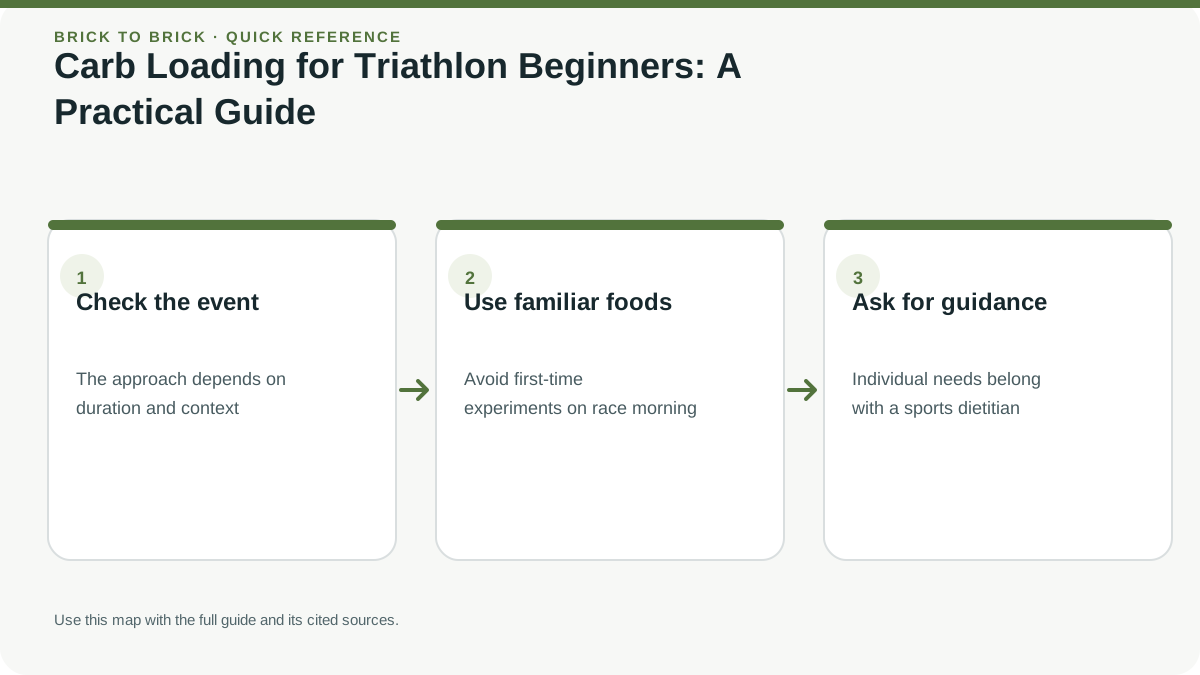
Carbohydrate loading can support prolonged endurance racing, but it is not required for every triathlon and a high gram-per-kilogram target is not a beginner prescription. This guide explains the event-duration question, published protocol ranges, flexible meal planning, race breakfast, gut comfort and when to seek individualized sports-nutrition advice.
Key takeaways
- 1Target 8–12 g of carbs per kg bodyweight per day for 2–3 days before a 70.3 or Ironman
- 2Sprint and Olympic athletes only need 1 day of moderate loading (5–7 g/kg)
- 3Lower fat, fiber and protein during the load — they crowd out carbs and bloat the gut
- 4Race-day breakfast is a top-up (1–4 g/kg, 3 hours before start), not the main load
- 5Test your loading protocol in training — never try a new food strategy on race day
In this article
- 1Quick answer: how do I carb load for a triathlon?
- 2Why carb loading works (the science, simplified)
- 3How much to eat by race distance
- 4What to eat (and what to avoid)
- 5A Flexible Menu Framework Instead of a Fixed Gram Target
- 6Hydration and sodium during the load
- 7Race morning: the final top-up
- 8Common Carb-Loading Mistakes to Avoid
- 9Special cases
- 10Decide whether a loading protocol is useful for your event
- 11A flexible 48-hour meal structure
- 12How to practice without turning training into an eating test
- 13A sample day is a menu framework, not a gram-count challenge
- 14Plan for travel, check-in and early race starts
- 15A decision table for different race durations
- 16Loading and fueling during the race are separate plans
- 17Adapt the plan for dietary pattern and food access
- 18Keep the taper, recovery and eating plan connected
- 19Common myths and better questions
- ⚖Carb-loading targets by race distance
- ?Frequently asked questions
Quick answer: how do I carb load for a triathlon?
Carbohydrate loading means increasing carbohydrate availability before a prolonged event; it is not a compulsory ritual for every triathlon. A deliberate loading protocol is most relevant when the event will last longer than about 90 minutes and sustained performance matters. Research-based protocols often use a high-carbohydrate intake for roughly 36–48 hours, but the amount must be considered alongside event duration, ordinary intake, gut tolerance, training taper and individual health. Do not treat a large gram-per-kilogram target as a beginner's automatic prescription.
For a short sprint race, familiar meals and normal eating are usually more practical than force-feeding. Many Olympic-distance races last over 90 minutes, so the athlete's expected duration and event demands matter more than the label alone. In all cases, keep foods familiar, spread meals and snacks through the day, and practice any substantial change during training. Race-morning breakfast is a separate plan; see triathlon race-day breakfast. If you have diabetes, gastrointestinal disease, food restrictions, pregnancy, a history of disordered eating or another clinical concern, consult a qualified sports dietitian or clinician before changing intake.
Why carb loading works (the science, simplified)
Carbohydrate is stored as glycogen in muscle and liver and can support sustained or higher-intensity exercise. A carbohydrate-loading strategy aims to begin a long endurance event with high muscle glycogen availability. It does not create unlimited energy, guarantee a personal best or remove the need for fueling during a long race. The amount of glycogen stored and the response to a protocol vary with training, diet and the event.
The strongest rationale is for prolonged events where stored carbohydrate availability can matter. The Sports Science Exchange review linked below describes a 36–48-hour high-carbohydrate approach for events lasting more than about 90 minutes and says aggressive loading may not be necessary for shorter events. This is a sports-nutrition strategy, not a clinical treatment. A large sudden increase can feel uncomfortable and can change body mass partly because glycogen storage is accompanied by water. That scale change is not a reliable measure of fat gain, hydration status or whether the plan is suitable.
The practical goal is to arrive with a familiar routine and enough energy for your event, not to copy an elite-athlete intake without individual context. You still need an event-specific breakfast, a practiced on-course plan and normal recovery eating. Consult a sports dietitian when a precise target is needed.
How much to eat by race distance
Use expected race duration and the demands of the event rather than a distance label alone. A short event under roughly 90 minutes generally does not require an aggressive loading protocol. For a prolonged event, published sports-nutrition guidance includes high-carbohydrate protocols in the 36–48 hours before competition; one commonly cited range is approximately 10–12 grams of carbohydrate per kilogram of body mass per day. That is a demanding intake, not a safe or comfortable target for everyone, and the published range should not be converted into a personal prescription here.
For example, applying 10 g/kg/day to a 65 kg athlete produces 650 g of carbohydrate in a day. The arithmetic is simple; deciding whether that amount is appropriate, tolerable and useful is not. Consider what you normally eat, how much time remains, the event's duration, and whether a clinician or sports dietitian should individualize the plan. Some athletes use a less aggressive increase that better matches their needs and gut comfort.
If you do not count grams, use a practical meal pattern: keep ordinary protein portions, make familiar starches a larger share of meals, include convenient carbohydrate snacks and avoid an abrupt fiber or fat increase if those foods usually upset your stomach. This is an approach to discuss and rehearse, not a substitute for individual nutrition care.
What to eat (and what to avoid)
Choose foods you already tolerate and can access during race week. Rice, pasta, bread, potatoes, oats, cereal, fruit, juice and sports drinks can all contribute carbohydrate; no single item is required. Keep your usual protein foods and ordinary meal rhythm. If a large serving feels uncomfortable, divide food into smaller meals and snacks rather than forcing it.
Some athletes temporarily prefer familiar lower-fiber foods close to competition, but there is no universal rule that everyone should avoid whole grains, vegetables, dairy or particular fruit. A sudden increase in fiber, fat, spice or unfamiliar products can be uncomfortable for some people; individual tolerance matters. Do not remove entire food groups without a reason, and do not treat “white carbs” as objectively superior for every athlete or every day of the year.
Food allergies, religious or cultural practices, vegetarian or vegan diets, and medical restrictions should be respected. If you have a sensitive gut or clinical condition, ask a qualified dietitian or clinician to help adapt choices. Follow safe food storage guidance while travelling and use products you have already practiced when possible.
Hydration and sodium during the load
Carbohydrate loading does not require drinking extra water or taking extra sodium. Glycogen storage is associated with additional water in the body, so body mass can rise temporarily when stores increase. That expected change is not evidence that you should restrict fluids, force fluids or add salt tablets. Follow ordinary thirst and your practiced routine, and follow professional advice if you have a medical fluid or sodium restriction.
Avoid “pre-hydrating” by drinking a large volume at once. Excessive fluid intake can be dangerous, and sodium supplements do not make overdrinking safe. The triathlon hydration guide explains why fluid plans depend on conditions, duration, sweat losses and individual tolerance. If you use medications or have kidney, heart, endocrine or blood-pressure conditions, ask your clinician before changing fluid or electrolyte intake.
Race morning: the final top-up
Breakfast is separate from carbohydrate loading. Choose foods you have already tolerated before a comparable training session, and leave enough time to eat and settle according to your routine and the event schedule. Sports-nutrition guidance gives broad pre-event carbohydrate ranges, but the amount depends on timing, duration and gut tolerance; it is not necessary for every athlete to calculate a precise grams-per-kilogram target.
Do not try a huge breakfast because training eased, or make up for a missed loading day with a last-minute feast. Keep caffeine, fiber, fat and new supplements within what you have rehearsed. Include water as part of your normal plan rather than drinking beyond comfort. Our race-day breakfast guide has a practical decision framework and the race-fueling guide covers intake once the event begins.
Common Carb-Loading Mistakes to Avoid
- Trying to make up for months of training in one dinner. A last-minute feast cannot replace consistent preparation, breakfast planning or event fueling.
- Assuming everyone needs a formal load. Event duration and demands matter; aggressive protocols are generally discussed for prolonged events, not every sprint.
- Copying a gram target without considering health or tolerance. Published high-intake ranges are not personal prescriptions.
- Changing many foods at once. New products and unusually large portions can be hard to assess and may upset the gut.
- Treating a low-fiber menu as mandatory. Some athletes prefer familiar lower-residue foods near a race, but there is no universal ban on whole grains or vegetables.
- Forcing fluids or salt. Carb loading does not require extra drinking or sodium; overdrinking can be dangerous.
- Panic about a temporary scale change. Glycogen storage is associated with water, but an individual change is not a measure of fat gain or success.
- Skipping a practiced breakfast. Loading is separate from race-morning food and from a plan for intake during a long event.
The safer correction is to keep the strategy proportional, familiar and rehearsed, and to ask for individualized advice when health, medication or eating concerns matter.
Special cases
A standard carb-loading template may not fit a person with diabetes, gastrointestinal disease, food allergies, pregnancy, a history of disordered eating, significant food restriction or medication that affects blood glucose or digestion. If you follow a low-carbohydrate diet, do not assume that an abrupt high-carbohydrate load is harmless or that a specific adaptation period will make it comfortable. Discuss race preparation with a qualified sports dietitian or clinician who understands your health and training.
Long events also create practical constraints: travel meals, limited food choice, early starts and stress can make a high intake difficult. A flexible list of familiar alternatives is more useful than forcing one menu. If appetite or anxiety makes eating difficult, seek individual support instead of treating the target as a test of discipline.
Decide whether a loading protocol is useful for your event
Start with expected duration and your own event goal. The research rationale is strongest for prolonged sustained or high-intensity exercise, commonly framed as events lasting more than about 90 minutes. A sprint race is often shorter than that; an Olympic race may be longer for many participants; a 70.3 or full-distance event will be much longer. These are rough categories, not a substitute for your expected finish time, course conditions or personal nutrition needs.
Then ask whether you have time and experience to make the change without increasing stress. If the event is days away and you have never tried a high-carbohydrate day, copying a large intake from the internet can create stomach symptoms. You can still eat regular familiar meals with a sensible amount of carbohydrate without attempting maximal glycogen supercompensation. The important distinction is between supporting normal readiness and following a formal loading protocol.
If you are unsure, a registered sports dietitian can help relate the event, training load, food preferences and medical context. For athletes with a history of restrictive eating or weight-related anxiety, weigh-in changes and rigid gram targets can be harmful; choose an individualized approach that protects health. Neither race distance nor body size alone defines the right choice.
A flexible 48-hour meal structure
A meal structure can make race week easier without pretending there is one menu for every athlete. Keep your usual meal rhythm and familiar protein foods. At each meal, include a recognizable carbohydrate source such as rice, potatoes, bread, pasta, oats or cereal. Add snacks that you already tolerate—fruit, crackers, a sandwich, yogurt with cereal, or a sports drink if that is part of your practice. If large portions feel uncomfortable, use smaller, more frequent meals rather than forcing one oversized plate.
Some athletes temporarily choose lower-fiber versions of foods close to an event because a large fiber increase can feel uncomfortable. That is not a universal requirement, and people with dietary or gastrointestinal needs should follow their own advice. Keep fats, spice and food volume close to familiar levels unless you know a change works for you. Plan for travel and event check-in by identifying where you can buy or carry the foods you need.
Use the structure as a checklist, not a prescription: familiar food, carbohydrate available at meals, adequate overall energy, and no untested supplements. If the event's actual timeline requires breakfast before dawn, the meal the day before cannot compensate for a breakfast or fueling plan that you have never rehearsed.
How to practice without turning training into an eating test
Practice the foods and portions during ordinary long sessions, where you can stop or adjust if something does not suit you. Keep a brief note of what you ate, the amount if useful, timing, activity duration, intensity and any stomach symptoms. Change one factor at a time so you can learn whether the issue was food type, portion, timing, heat or effort.
Carbohydrate availability should match training demands across the week. There is no general benefit in underfueling routine sessions just to make a later loading period feel more dramatic. A taper reduces training volume, but it does not mean you must skip meals or compensate with a sudden feast. Energy needs and appetite can change during taper, and both deserve a calm, flexible response.
If repeated gastrointestinal symptoms occur, do not keep escalating intake because a target says you should. Review the plan with a sports dietitian, especially before long-course racing. Seek clinical care for severe, persistent or alarming symptoms. The aim is a predictable routine that supports the event and fits your health, not perfect adherence to a number.
Plan for travel, check-in and early race starts
Race-week schedules can disrupt meals: flights arrive late, hotel breakfasts begin after athlete check-in, and race starts may be early. Make a short food plan before travelling. Pack shelf-stable foods you already use, identify a nearby grocery store, and check whether the hotel can provide a simple breakfast at the time you need it. If you have allergies, a medically restricted diet or a food-safety concern, arrange options rather than relying on an unknown buffet.
Keep the evening meal familiar and finish at a comfortable time. You do not need to eat continuously until bedtime. Set out the breakfast you rehearsed, consider how it will be transported, and follow food storage guidance for perishable items. If the race schedule changes, use a flexible plan that shifts meal timing without adding unfamiliar products.
Hydration should also remain normal and individualized. A travel day or warm destination may change thirst, but forcing water in the name of loading can be harmful. Carry the event guide's aid-station information and use your tested strategy during the race. The race morning routine can help organize time; this page is about food choice, not a full travel itinerary.
A decision table for different race durations
These categories are starting points for a conversation, not fixed rules. Use your expected duration and personal needs rather than assuming every athlete in a distance category should eat the same way.
| Expected event duration | What to consider | Sensible next step |
|---|---|---|
| Around 90 minutes or less | Aggressive glycogen loading is often unnecessary; normal meals and familiar pre-race food may be adequate | Avoid a sudden food overhaul; plan breakfast and any practiced in-race intake |
| More than about 90 minutes | A planned increase in carbohydrate availability may help prolonged performance | Decide whether a formal 36–48-hour protocol is appropriate and tolerable |
| Several hours | Loading is only one part of preparation; during-event fueling and gut tolerance matter too | Rehearse the whole plan in long training and seek expert support if needed |
| Any duration with a clinical concern | Standard public guidance may not fit medication, illness, pregnancy or eating-disorder history | Ask a clinician or sports dietitian for individualized advice |
The 90-minute marker comes from sports-nutrition literature as a broad context, not a sharp biological switch. Race intensity, course and athlete goals also matter. If the event is close and you are uncertain, keep your food familiar rather than forcing a large protocol at the last minute.
Loading and fueling during the race are separate plans
Starting an event with carbohydrate available does not remove the need to plan what you will eat and drink while racing. The amount and timing during exercise depend on duration, intensity, product tolerance, aid-station access and the individual. A full-distance athlete may need a rehearsed multi-hour plan; a short event may call for something much simpler. Do not add a loading target to an on-course target as if they were one daily total.
Work out which carbohydrate comes from bottles, gels, chews or foods, and follow each product's serving and water instructions. Test the combination in training, particularly if you plan to use a higher intake or multiple carbohydrate sources. Do not try to “catch up” after a missed serving by taking several products at once. If a product triggers repeated symptoms, stop experimenting during race week and get appropriate advice.
The race fueling guide focuses on intake during the event, while energy gels explains product labels and serving differences. This page's loading discussion is about the days before a prolonged race. Keeping those jobs separate makes it easier to see whether a problem comes from the pre-race meal, the breakfast or the in-race schedule.
Adapt the plan for dietary pattern and food access
A loading strategy can be built from many dietary patterns. Vegetarian and vegan athletes may use familiar rice, pasta, bread, potatoes, oats, cereal, fruit and drinks, alongside the protein foods they normally eat. Athletes with allergies, religious food requirements or limited local options can identify a few safe, portable foods before travel. The right plan is not defined by a single “triathlon meal.”
When choosing packaged foods, read the label for serving size and carbohydrate amount if you are following a measured plan. Product names and package sizes differ between countries. If you are not counting grams, use labels mainly to compare options and avoid assuming that a “sports” label means a product is appropriate or necessary. Keep food safety, storage and the availability of familiar options in mind, particularly at a destination race.
Some restrictive diets, food allergies or gastrointestinal conditions require more planning than a general article can provide. A registered dietitian can help maintain adequate energy and nutrients while adapting the menu. Do not use a loading period to test a new supplement or to justify removing foods that are important to your health.
Keep the taper, recovery and eating plan connected
A taper reduces training load before an event; it does not mean you should deliberately under-eat or feel obliged to compensate with a feast. Training volume, appetite, routine and travel can all shift in race week. Continue regular meals and enough overall energy to support recovery. If you are following a formal carbohydrate-loading protocol, coordinate it with the reduced training schedule instead of adding an extra depletion workout that your plan does not prescribe.
After the race, return to normal meals and fluids according to appetite and recovery needs. There is no need to “undo” a temporary body-mass change with restrictive eating, excessive exercise or dehydration. If your food or weight choices feel distressing, pause the loading plan and talk with a qualified clinician or sports dietitian. People with a history of disordered eating should avoid self-directed restrictive or high-volume protocols unless supported by their care team.
This guide offers general information for healthy adults and cannot account for every medical situation. A qualified professional can tailor timing, food choices and amounts to an athlete's health, medication, training and event. If you experience persistent gastrointestinal symptoms, severe weakness or any alarming symptom, seek clinical care rather than treating it as a normal part of race preparation.
Common myths and better questions
Carb loading does not mean eating one enormous pasta dinner the night before. It does not require a “depletion” workout followed by several days of overeating, and it does not eliminate the need for a breakfast or on-course fuel. A temporary scale increase can reflect stored carbohydrate and associated water; it should not be labeled fat gain or corrected with fluid restriction. Salt loading is not a required part of the strategy.
Avoid turning a published high intake into a contest. A better set of questions is: How long will I be exercising? Have I practiced these foods? Does the plan fit the event schedule and my medical needs? What will I consume during the event? Will I feel comfortable following this plan while travelling and tapering?
These questions preserve the useful idea—arrive with carbohydrate available for a long event—without applying one elite or research protocol to everyone. For the next step, use the race-day breakfast guide, energy gels guide or race-fueling guide depending on whether you are planning breakfast or intake during the race.
Carb-loading targets by race distance
| Distance | Days | g/kg/day | 70 kg example |
|---|---|---|---|
| Sprint | 1 | 5–7 | 350–490 g |
| Olympic | 1–2 | 6–8 | 420–560 g |
| 70.3 (Half) | 2 | 8–10 | 560–700 g |
| Ironman (Full) | 2–3 | 10–12 | 700–840 g |
Recommended gear
Affiliate disclosure: Brick to Brick may earn a commission from qualifying purchases, at no extra cost to you. Read our full affiliate disclosure. Unless a named method says otherwise, these are research-based recommendations rather than first-hand product tests.
Maurten Drink Mix 320
High-carb hydrogel drink (80 g carbs per serving) — easy way to hit loading targets without GI stress.
View on AmazonSiS Beta Fuel Powder
Affordable 80 g carb mix in a 2:1 maltodextrin:fructose ratio for fast absorption.
View on AmazonPrecision Hydration PH1500
High-sodium electrolyte for retaining water during the load.
View on AmazonSources
Sources are listed so readers can verify consequential claims and dated details.
- Nutrition and Athletic Performance: Joint Position Statement — ACSM, Academy of Nutrition and Dietetics, Dietitians of Canada (accessed September 25, 2026)
- Burke et al. — Nutrition strategies for the marathon: fuel for training and racing — Sports Medicine (2007) (accessed August 13, 2026)
- Dietary Carbohydrate and the Endurance Athlete: Contemporary Perspectives — Gatorade Sports Science Institute / Sports Science Exchange (accessed September 25, 2026)
- Clinical Practice Guidelines for Sports Nutrition — Brazilian Society of Sports Nutrition (accessed September 25, 2026)
Frequently asked questions
Do I need to carb load for a sprint triathlon?
No big load needed. A normal high-carb dinner the night before and a familiar breakfast on race day is enough. Sprint efforts are short enough that muscle glycogen is rarely the limiter.
Will carb loading make me gain weight?
Yes — about 1–2 kg of glycogen and water. This is the goal. It's stored fuel, not fat, and it's gone within 24 hours of finishing the race.
Can I carb load if I'm trying to lose weight?
Yes, in race week. Restricting calories before a big race wastes months of training. Resume normal eating after race week. See our weight loss during Ironman training guide for the bigger picture.
What if I have IBS or a sensitive gut?
Use low-FODMAP carbs (white rice, oats, banana, sourdough, potato) and lean on liquid carbs (sports drinks, smoothies). Avoid lactose, onion, garlic, and high-fructose fruits like apples and pears during the load.
Is pasta really the best food to load with?
Pasta is convenient and culturally normal, but rice, potatoes, bread, and oats work equally well. Choose what your gut handles best in training.