Energy Gels for Triathlon: Labels, Timing and Practical Use
Learn when triathlon energy gels can help, how to count label carbohydrates and caffeine, coordinate water, practise gut tolerance and choose practical packaging.
By Lotte
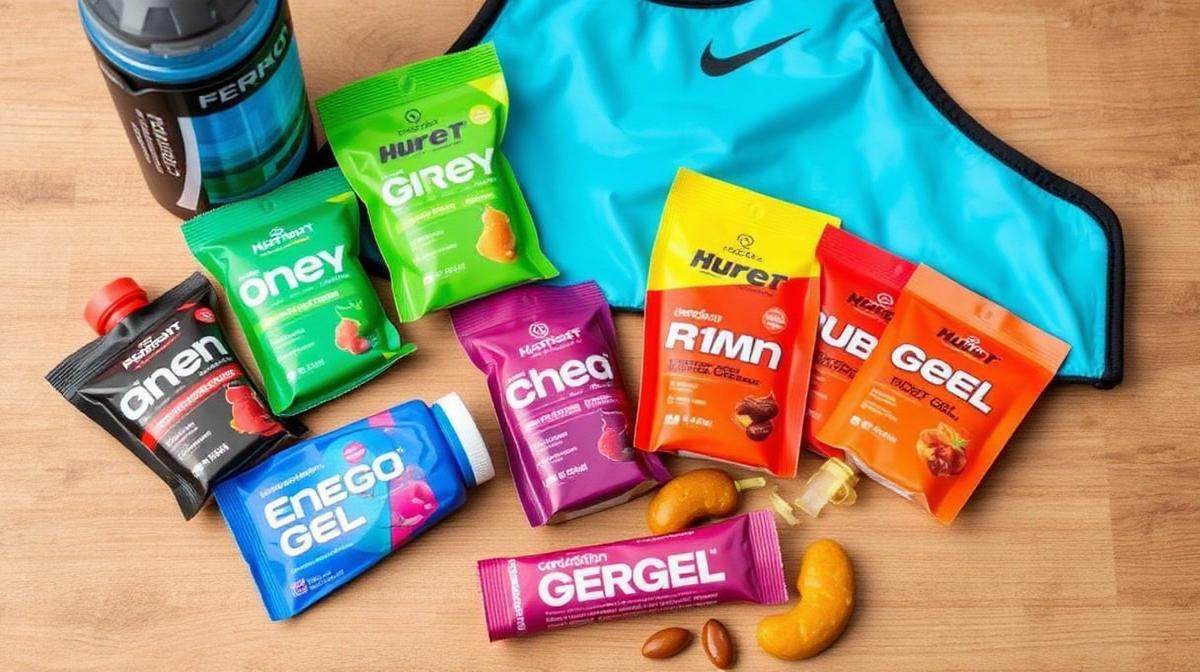
Energy gels are a portable carbohydrate option, not a requirement or a complete fueling plan. This guide explains how to compare labels, count gels alongside drinks and other foods, match the product to its fluid instructions, practise use, and consider caffeine and medical context.
Key takeaways
- 1A gel is one optional carbohydrate format; it is not necessary for every session or athlete.
- 2Count the full label serving and include carbohydrate from drinks, food and aid stations.
- 3Check whether the product is intended to be used with water and practise the actual carrying method.
- 4Count caffeine from all sources and avoid first-time use on race day.
- 5Stop forcing intake when unwell and get individualized help for medical or recurring gut concerns.
In this article
- 1Quick answer: when is a gel useful?
- 2Read the current label
- 3Build one complete fueling plan
- 4Rehearse the practical details
- 5Caffeine and gastrointestinal caution
- 6What a gel is—and what it is not
- 7When gels can help—and when another option is simpler
- 8Read the label: a worked carbohydrate count
- 9Match the gel to the fluid plan
- 10Choose a carrying and opening method before race day
- 11Caffeine gels need a separate decision
- 12Practice gut tolerance without forcing a target
- 13Buying gels without treating marketing as evidence
- 14A simple gel decision worksheet
- 15Gels versus drinks, chews and familiar foods
- 16Troubleshooting common gel problems
- 17A note on sodium, electrolytes and gel claims
- 18Review a gel trial objectively
- ?Frequently asked questions
Quick answer: when is a gel useful?
A gel is useful when portable carbohydrate helps you meet a planned intake during prolonged exercise and you tolerate the product. Shorter sessions may not require it. Duration, intensity, prior meals and individual goals determine the need; the packet is a delivery format, not a performance guarantee.
Read the current label
Record carbohydrate and caffeine per packet, the carbohydrate sources, allergens, serving instructions and whether water is recommended. Isotonic and concentrated products differ, so the blanket rule that every gel needs the same volume of water is inaccurate. Follow the manufacturer directions while keeping total fluid needs separate.
Build one complete fueling plan
Add carbohydrate from every bottle, gel, chew, bar and aid-station item. Higher intake is not automatically better, and tolerance varies. Multiple-transportable-carbohydrate products may help at higher intake rates, but they do not remove the need to practise or make a target appropriate for every athlete.
Rehearse the practical details
Use the planned product during sessions that resemble race duration, intensity and heat. Practise opening it safely on the bike, carrying litter to the correct disposal point and switching to an alternative if sweetness or texture becomes difficult. Change one variable at a time and record symptoms.
Caffeine and gastrointestinal caution
Count caffeine from coffee, gels, drinks and tablets together. Sensitivity, pregnancy, medication and cardiovascular symptoms can change what is appropriate. Recurrent pain, vomiting, diarrhoea, blood in stool, fainting or unexplained weight loss should not be treated as a normal fueling problem; seek medical assessment.
What a gel is—and what it is not
A sports gel is a compact carbohydrate food designed to be easy to carry and consume during exercise. It is not a requirement for every workout, a complete meal, or a product that automatically improves performance. A gel can be useful when an event or training session is long enough for planned carbohydrate intake to matter and when its packaging and texture suit the athlete. Water, sports drink, chews, bars and ordinary foods can be alternatives depending on duration, intensity, conditions and preference.
Products differ substantially. One sachet may contain 20 grams of carbohydrate; another may contain 40 grams or more. Serving sizes, sugars, sodium, caffeine, sweeteners and ingredients vary. Some gels are designed to be taken with water, while a smaller number are labelled isotonic for use without additional water. “Natural,” “organic,” “electrolyte” and “performance” on a package do not tell you how many grams of carbohydrate are in the serving or whether the product matches your plan.
The Australian Institute of Sport classifies sports gels as a sports food in its Group A framework, describing them as a compact carbohydrate option in appropriate contexts. That is not a recommendation that every recreational athlete needs one or that any particular brand is suitable. The AIS sports gel resource explains product characteristics and cautions; individual requirements still depend on the event and athlete.
When gels can help—and when another option is simpler
A gel may solve a practical problem: you need a portable carbohydrate serving, do not want to chew while riding, or want a predictable amount that is easy to count. It can be useful on the bike, where handling food is often simpler than during the run, and during long training sessions when a rehearsed intake plan is appropriate. Some athletes prefer sports drink because it combines fluid and carbohydrate; others prefer chews or familiar foods. You do not have to use a gel just because it appears in a race bag.
For a brief, easy workout, a gel may add cost and complexity without serving a clear purpose. A normal meal and regular daily eating may already support shorter sessions, though needs vary. During very long exercise, gel use should be part of a whole plan rather than a standalone answer. Count carbohydrate from drink mix, gels, chews, bars and aid stations together. Do not assume a gel hydrates you: carbohydrate and fluid are separate considerations, and some products require water.
Consider the logistics too. Can you open the sachet without losing control of the bike? Is there a litter policy? Does the course allow discard zones? Can you carry the packaging? Will the gel freeze, overheat or leak in storage? A product that is theoretically ideal but difficult to use safely is a poor race choice. The race fueling guide covers how different formats can fit a complete strategy.
Read the label: a worked carbohydrate count
Start with the serving size you will actually consume, not the front-of-pack claim. Look for total carbohydrate per packet, not only sugars or calories. If a sachet contains 27 grams of carbohydrate and your written training plan calls for 54 grams over a two-hour interval, two sachets would contribute 54 grams in total—but that arithmetic alone does not establish that the intake is right for you or that both should be taken at once. Your plan also needs to account for duration, intensity, other foods and fluid.
| Product example | Carbohydrate per serving | Count if one full serving is used |
|---|---|---|
| Gel A | 20 g | 20 g |
| Gel B | 27 g | 27 g |
| Gel C | 40 g | 40 g |
These values are examples for label-reading only, not brand comparisons or a prescribed hourly target. Check whether the packet contains one or multiple servings, and whether the carbohydrate number includes the entire package. If you use a flask, mark the amount and calculate the carbohydrate per portion; estimating squeezes by eye makes intake harder to track. When a plan uses grams per hour, divide the total carbohydrate from every source during that period by the elapsed time. A sports drink containing carbohydrate contributes too.
For a product with caffeine, add its caffeine milligrams to coffee, tea, cola, medication and any other product. For sodium, check the amount per whole serving rather than assuming “electrolyte” means a substantial contribution. Compare current packaging because formulas and serving sizes can change. If an ingredient is unfamiliar, check with a qualified sports dietitian or clinician before using it, especially if you take medication or have an allergy or medical condition.
Match the gel to the fluid plan
A concentrated gel and a bottle of water serve different roles. Many conventional gels contain substantially more carbohydrate per volume than a sports drink. The AIS notes that most gels should be taken with water or another suitable dilute fluid, while only products labelled and formulated as isotonic are specifically intended to be consumed without added water. Follow the product label and your tested plan rather than assuming all sachets behave alike.
Do not interpret this as “drink a fixed amount with every gel.” Fluid needs depend on the environment, duration, sweat losses, access and individual tolerance. Overdrinking can also be harmful. A plan should make sense across the full ride or run and allow adjustment to conditions; thirst, comfort, aid-station spacing and any clinician guidance matter. The gel itself does not replace a personalized hydration strategy.
During training, test the product with the same type of water or sports drink you expect to use in the race. If your gel is intended to be taken with water, rehearse reaching a water source soon enough to follow its instructions. Combining several concentrated products with little fluid may be unpleasant for some athletes. If the event offers a different drink brand, learn its carbohydrate content from the current guide or label rather than treating every cup as water. Keep a written plan simple enough to remember under fatigue.
Choose a carrying and opening method before race day
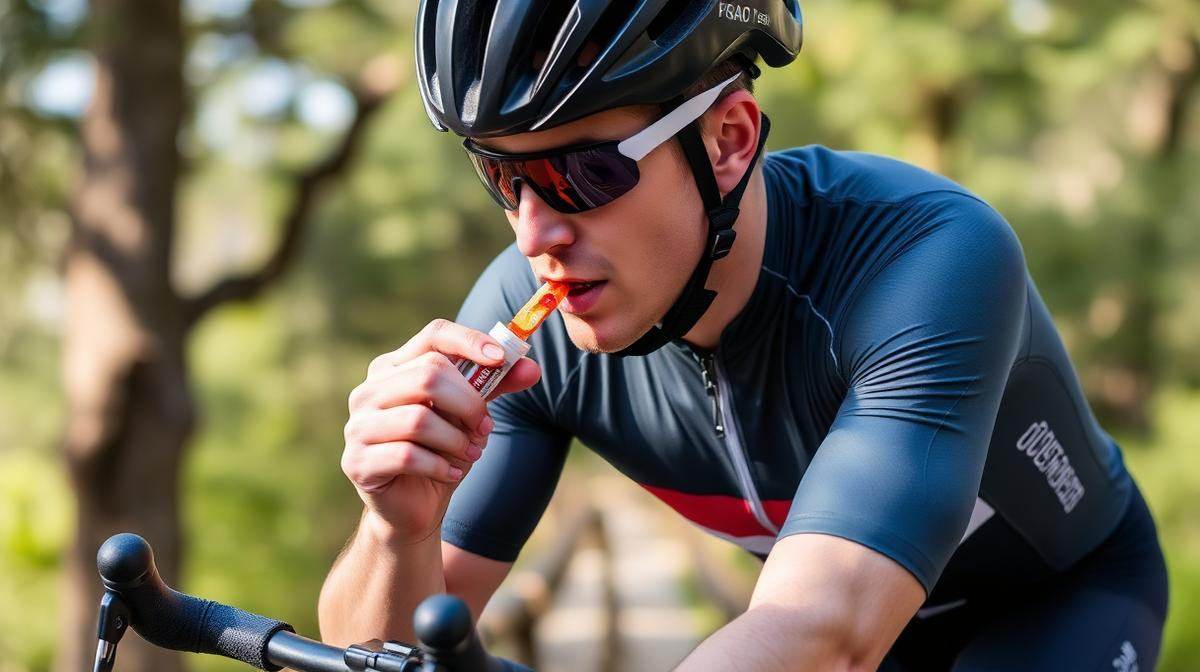
Gels can be stored in a jersey pocket, belt, bento box or other permitted compartment, but the best location depends on the athlete, product packaging and race rules. Check that a packet cannot catch on the bike, interfere with a brake or become a projectile. Practise opening the top with the hand you will use while keeping the other hand in safe control of the bike; if opening a packet feels unsafe, wait until a safe stationary point or use a different format.
Some athletes tear a small corner in advance. That can make a packet easier to open, but a pre-opened gel may leak, collect dirt or be prohibited by event rules. A reusable flask reduces single-use packaging and may allow smaller portions, but it needs cleaning and a clear measurement method. Store a flask so it cannot leak onto equipment or clothing. Test the actual method on an ordinary ride, not only while standing in a kitchen.
Plan for litter. Many races prohibit discarding wrappers outside designated zones and can penalize littering. Carry used packets or deposit them exactly where the event permits. Do not tuck rubbish into a place where it could fall out on the course. In transition, place products only where rules allow and make sure old wrappers do not create a slip hazard. Sustainability and rule compliance are part of practical fueling.
Caffeine gels need a separate decision
Caffeine can affect alertness, sleep, heart rate and perceived effort, with responses varying by person, dose, timing and habitual use. A gel's caffeine can be easy to overlook because it is printed beside the carbohydrate amount. Add that amount to every other source, including coffee, tea, energy products and medications. Do not take a second serving because the first “did not work” without knowing the cumulative dose.
If you choose to use caffeine, rehearse the same product and timing in training and note both immediate and later effects, including sleep. Avoid experimentation on race day. People who are pregnant, have cardiovascular or anxiety conditions, are sensitive to caffeine, take interacting medicines or have another clinical concern should ask an appropriately qualified healthcare professional about whether and how caffeine is suitable. Children and adolescents should not be directed to use caffeinated sports products through a generic endurance guide.
The product's caffeine content may differ by flavor or formula. Verify the current label for the exact packet you will carry. A caffeine gel is still a carbohydrate serving and may still need water; caffeine does not replace fluid, food or a sound pacing plan.
Practice gut tolerance without forcing a target
The gut also needs an opportunity to get used to the timing, texture and concentration of planned race foods. Try a product during a routine, appropriately paced session and record the portion, timing, other foods, fluid and conditions. Change one variable at a time when possible. A hard workout in heat is not an ideal first test of a new product because it can be difficult to tell which factor caused discomfort.
Do not “train your gut” by forcing increasing amounts through pain, vomiting, severe diarrhea or persistent symptoms. Stop if you feel unwell and seek medical advice when symptoms are severe, recurring or accompanied by concerning signs. A dietitian can help adapt a plan for gastrointestinal conditions, allergies, food intolerance or a history of disordered eating. Specific carbohydrate goals are not universal and can be unsafe to apply without context.
Track practical comfort as well as stomach symptoms: Was the texture manageable? Did you have enough time to open it? Did sweetness become unpleasant? Was the wrapper easy to carry? Did you have water access? A product can be well tolerated but operationally awkward, or convenient but unsuitable for your gut. Choose a plan you can execute safely, not the most complicated plan you can calculate.
Buying gels without treating marketing as evidence
Compare products by the information that changes a decision: carbohydrate grams per actual serving, caffeine amount, ingredient list, required fluid, package size, price and your tolerance. Cost per serving can be calculated by dividing the package price by servings; cost per gram of carbohydrate can help compare formats, but it is not a measure of nutritional quality or effectiveness. Check delivery fees, expiration date and local labeling rules if comparing across countries.
Do not assume a premium price means a better result. Do not rely on testimonials, “clean fuel” language or a single athlete's race-day routine as proof that the gel suits you. Third-party sport certification may matter to tested athletes concerned about contamination, but it does not guarantee performance benefit, safety for every person or legal compliance in every sport. Check current sport-integrity guidance and the product batch if anti-doping risk matters to you.
You may not need to buy a box before testing the texture. If possible, use a small number from a trusted retailer, verify packaging is sealed and in date, and try the same product more than once in appropriate training. Never buy a product with a broken seal, unclear label or unknown ingredients. Keep the packet available if an allergy or adverse reaction needs investigation.
A simple gel decision worksheet
Before packing a gel, answer four questions: Is carbohydrate intake relevant for this session's duration and intensity? Is a gel more convenient than drink, chews or familiar food? How many grams does one serving provide, and what else will be consumed? What fluid, caffeine and litter instructions apply? If you cannot answer these questions, keep the plan simpler or ask a qualified professional.
| Decision | Write down |
|---|---|
| Session or race context | Duration, intensity, weather and course access |
| Product | Exact flavor, serving size and current carbohydrate label |
| Other intake | Drinks, bars, chews, aid-station products and caffeine |
| Practical use | Carry location, opening method, water access and wrapper plan |
| Review | Gut comfort, taste, effort, symptoms and any changes next time |
Use a blank copy in training, then take the useful details into your race plan. The worksheet is a memory aid, not a medical prescription or a substitute for a tailored nutrition assessment. Recheck labels when products change and current race instructions before every event.
Gels versus drinks, chews and familiar foods
Different formats solve different problems. A sports drink can deliver both fluid and carbohydrate in measured sips, though athletes need to know its concentration and how much they actually consume. Chews are easier to divide into smaller portions than a sachet for some people, but chewing while running may be uncomfortable and the package still needs to be managed. Bars and ordinary foods may feel more satisfying on a long ride, but can be harder to chew at intensity or in heat. A gel offers concentrated carbohydrate in a small package, with texture and sweetness that some athletes like and others dislike.
| Format | Potential practical advantage | Detail to check |
|---|---|---|
| Gel | Compact, portioned and quick to carry | Carbohydrate per packet, water instructions, caffeine, wrapper disposal |
| Sports drink | Combines fluid and carbohydrate in a bottle or cup | Concentration, volume consumed, aid-station product and mixing directions |
| Chews | Can be divided into several small pieces | Chewing comfort, serving count, packaging and time needed to eat |
| Bar or familiar food | Texture or taste may feel more satisfying during a long bike | Fiber, fat, package access, storage and tolerance at effort |
No format is automatically best for all three triathlon disciplines. On a technical bike course, opening a wrapper may be less practical than using a bottle. During a run, some athletes tolerate sips better than chewing; others prefer a small solid. Conditions, race rules and aid-station access shape the choice. Practice the format in the discipline where you plan to use it.
You can mix formats, but count their carbohydrate together. A bottle with drink mix plus a gel is not the same as water plus a gel. If your plan includes a course product, use the official guide for the current event and check the serving information if available. Don't assume the aid-station product is unchanged from last year. The useful plan is the one that suits your event and you can carry and consume safely.
Troubleshooting common gel problems
A gel that is hard to use in training is unlikely to become simple under race pressure. If the packet is difficult to tear, practise the opening method while stationary, choose packaging you can manage, or use another format. If the gel tastes too sweet late in a session, consider a different flavor or delivery format during training instead of forcing it. A different product should still be tested before the race.
If you forget a serving, do not automatically consume multiple packets together to catch up. Resume the plan at a sensible point, account for what you have already eaten and drank, and avoid overcorrecting. An individualized plan may specify how to adjust; a generic page cannot prescribe this for every situation. If the event changes its course or you are delayed, follow organizer instructions and prioritize safety.
Leaking products can make clothing sticky and contaminate a pocket or bike bag. Check seals before packing and use a container intended for food. Keep wrappers where they cannot fall onto the course. If the package becomes damaged or contaminated, do not consume it. Store gels according to label instructions; extreme heat can change texture and make packaging harder to handle.
If you vomit, develop severe abdominal pain, have repeated diarrhea or feel faint, stop trying to meet a carbohydrate target and seek appropriate medical help. Do not assume every symptom is caused by the gel. Note the product and ingredients for a clinician if a reaction occurs. Food allergy symptoms, breathing problems or facial swelling require urgent medical attention.
A note on sodium, electrolytes and gel claims
Some gels contain sodium or other electrolytes, but the amount varies and can be small relative to an athlete's total intake. Read the label instead of assuming a gel solves an electrolyte need because the package uses the word “electrolyte.” Sodium needs differ with sweat losses, duration, climate, diet and health. No gel can guarantee prevention of cramping, dehydration or heat illness.
If you are comparing products, note milligrams per serving and check whether the stated serving is the whole packet. Count sodium from drink mixes and other products as well. Do not take extra salt tablets or concentrated supplements to compensate for an unclear plan; excess or inappropriate intake may be harmful. Athletes with hypertension, kidney disease or medications affecting fluid balance should ask a clinician before changing sodium intake.
For most decisions, separate the questions: How much carbohydrate is in the product? Does it need water? Does it include caffeine? Is the sodium amount relevant to the individualized plan? A single serving may contribute several things, but it is not a complete hydration or medical strategy. Use evidence-based professional guidance and the exact label rather than marketing shorthand.
Review a gel trial objectively
After a training test, record what the session actually showed. Note the exact product and amount, how it was carried, whether you took water, when it was consumed, and how your stomach felt. Add conditions and effort if they may have mattered. Do not conclude that a gel caused a symptom based on one complicated workout, but do not ignore a repeatable reaction either.
If it worked comfortably, repeat the same practice once before making it a race staple. If it did not, consider one adjustment: a different flavor, timing, serving size, water access or format. Changing several things at once makes the next test difficult to interpret. Never increase the intake simply to match an online target, and do not continue a test when symptoms are severe.
For a long event, practise the plan over a relevant duration but build up sensibly. Training is the place to discover whether packaging, texture and access are manageable. The resulting notes do not prove a product will suit every race condition; they give you a reasoned starting point that can be revisited with a sports dietitian.
Sources
Sources are listed so readers can verify consequential claims and dated details.
- Nutrition and Athletic Performance: joint position statement — Academy of Nutrition and Dietetics, Dietitians of Canada and American College of Sports Medicine (accessed September 25, 2026)
- AIS Sports Supplement Framework: Group A sports foods — Australian Institute of Sport (accessed September 1, 2026)
- Sports drinks: how and when to use them — Australian Institute of Sport (accessed September 1, 2026)
- Sports gels — Australian Institute of Sport (accessed September 25, 2026)
- What are sports gels? — Australian Institute of Sport (accessed September 25, 2026)
- Dietary carbohydrate and the endurance athlete: contemporary perspectives — Gatorade Sports Science Institute (accessed September 25, 2026)
Frequently asked questions
Do I need energy gels for a triathlon?
No. Gels are one portable carbohydrate option. Whether they fit depends on event duration, effort, the rest of your plan, preference and tolerance. Drinks, chews or familiar foods may work better for some athletes.
How many carbs are in a triathlon gel?
It varies by product and serving. Check the exact packet; many contain roughly 20–30 grams, but some differ. Count carbohydrate from the entire serving and all other foods and drinks.
Should I take water with a gel?
Follow the product label. Many concentrated gels are intended to be consumed with water or another suitable dilute fluid; some are specifically labelled isotonic. Do not assume every gel is the same.
Can I use a gel during a short triathlon?
A gel may be unnecessary in a shorter event, but needs vary. Consider your rehearsed plan, race duration, intensity and tolerance rather than adding a product automatically.
Are caffeinated gels safe?
Caffeine response varies and totals across products, drinks and medication can add up. Check the label and seek qualified clinical advice if you have a relevant condition, take medication, are pregnant or are sensitive to caffeine.
What if gels upset my stomach?
Stop forcing intake, review the product, timing and fluid plan, and seek medical advice for severe or recurring symptoms. A sports dietitian can help individualize a plan; never use pain or illness as a gut-training target.