Triathlon Hairstyles for Race Day: Choose a Fit That Works for You
Simple ways to secure long or short hair around a swim cap, goggles and helmet, with a fit-first check to practise before race day.
By Lotte
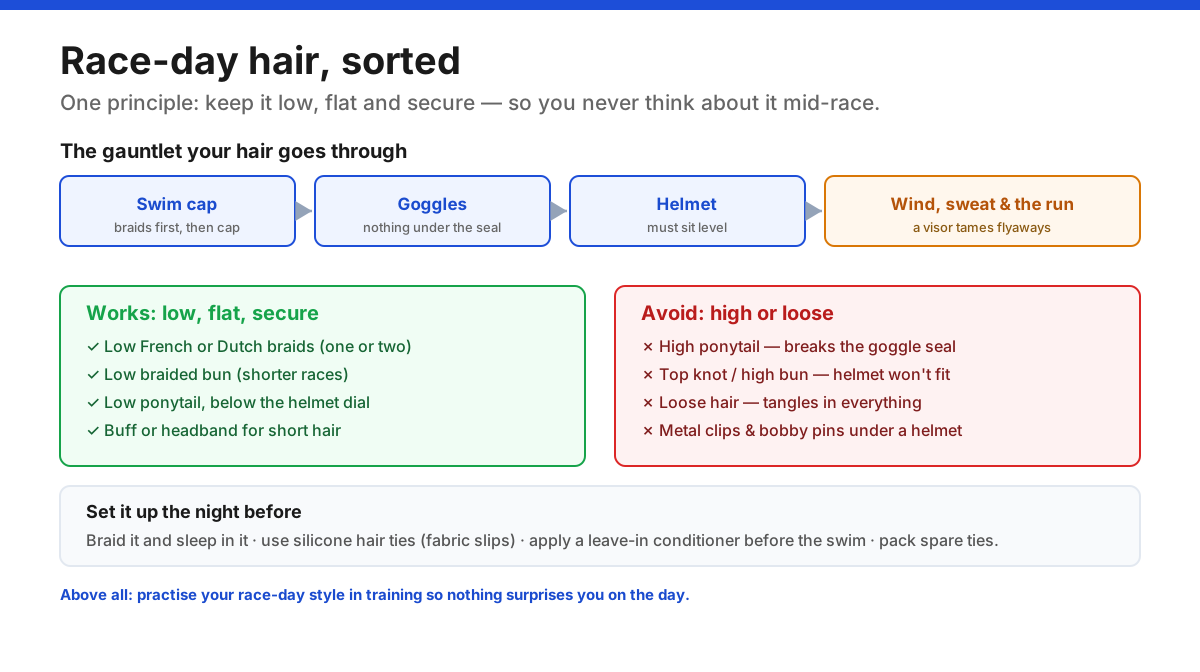
Choose a hairstyle that keeps hair comfortable and clear of your goggle seal while allowing your bicycle helmet to fit as designed. A low braid or ponytail can be a starting point for long hair, but no style works for everyone. Test your actual swim cap, goggles, helmet and hairstyle together before race day; the helmet's fit and the event's rules take priority.
Key takeaways
- 1There is no universally best triathlon hairstyle; choose one that works with your own hair and equipment.
- 2A low braid or ponytail is one option to try with long hair, provided it does not interfere with the goggle seal or helmet fit.
- 3Check helmet fit with the hairstyle and any headwear you will use; do not accept a helmet that shifts or sits incorrectly to accommodate a style.
- 4Practise with the same cap, goggles and helmet before race day, and follow the event's current rules.
In this article
Choose the style that lets your equipment fit
The practical test is simple: your hair should be comfortable, stay where you put it, and allow your goggles and helmet to sit correctly. A low braid or ponytail is a starting point for long hair. Short hair may need no extra step. A low-volume bun or headband may suit some people, but it can feel different under a cap or helmet. No style is guaranteed to work for every head shape, hair type or piece of equipment.
The U.S. National Highway Traffic Safety Administration says a bicycle helmet should sit level, straight and flat on the head. If a hairstyle or head covering changes that fit, adjust the hairstyle or ask a qualified retailer about helmet fit. Do not race in a helmet that rocks, sits at an angle or cannot be fastened as its maker instructs.
Options to test in training
Use these as starting points rather than a ranking:
| Hair setup | A possible starting point | What to check |
|---|---|---|
| Long hair | Low braid or ponytail | No bulky knot under the helmet; hair stays clear of the goggle seal |
| Hair that needs more containment | Low-volume bun | Helmet still sits level and feels comfortable |
| Short hair or flyaways | Simple tie or headband, if useful | Hair stays in place and helmet fits directly and securely |
| Religious or cultural head covering | The covering that is important to you | Ask the event organiser about rules and possible arrangements |
A style that feels comfortable while standing may feel different after you add wet hair, a swim cap and goggles. Try the full setup during training and change one part at a time if something presses, shifts or interferes.
Check your full helmet and swim setup
Try the exact combination you plan to race in: hairstyle, head covering if applicable, swim cap, goggles and helmet. Check the helmet according to its manufacturer's instructions and your event rules. NHTSA's bicycle helmet fitting guide shows how to check position and straps. If the helmet moves, cannot sit level, or causes pressure because of the hairstyle, choose another setup or ask for qualified help.
Check that hair does not pass under the soft goggle seal. If the goggle fit changes when you move the strap or cap, reset it and test again. The aim is a setup you can use comfortably, not a particular hairstyle.
Plan around event rules and transitions
Competition rules and arrangements vary by race. Read the current athlete guide for helmet, swimwear, headwear and transition-area requirements. If you use a religious or cultural covering, or an adaptation that may need approval, contact the organiser ahead of time rather than assuming the same rule applies everywhere.
Pack a spare hair tie only if you use one and the organiser permits it in transition. Keep the race-day routine familiar: use a style and equipment combination you have already tried. For the wider sequence, see the transition setup guide and race-day packing checklist.
Hair setup ideas to test
| Setup | May suit | Fit check |
|---|---|---|
| Low braid | Some athletes with long hair | Avoid a bulky tie where the helmet contacts the head |
| Low ponytail | Some athletes who prefer a single tie | Confirm helmet position and clear goggle-seal fit |
| Low-volume bun | Hair that needs additional containment | Check for pressure and correct helmet fit |
| Headband or covering | Personal comfort, hair or cultural needs | Check event rules and helmet instructions |
Sources
Sources are listed so readers can verify consequential claims and dated details.
- Bicycle Safety: Fitting a Bicycle Helmet — National Highway Traffic Safety Administration (accessed September 26, 2026)
- USA Triathlon Multisport Competition Rules — USA Triathlon (accessed September 26, 2026)
- World Triathlon Competition Rules 2026 — World Triathlon (accessed September 26, 2026)
Frequently asked questions
What is the best hairstyle for a triathlon?
There is no single best style. A low braid or ponytail can be a starting point for long hair, but test your own cap, goggles and helmet together and keep the helmet fit as the priority.
Can I wear my hair in a bun under a bike helmet?
Only if the helmet still fits as its manufacturer intends and remains level, stable and comfortable. If the bun creates pressure or shifts the helmet, choose another arrangement.
Can I wear a head covering during a triathlon?
Rules and arrangements vary by event and governing body. Contact the organiser ahead of time to ask about your specific covering and any required approval.
How should I test a race-day hairstyle?
Use the same hairstyle, swim cap, goggles and helmet you plan to race in. Check the goggle seal and helmet fit, then adjust the style if anything presses, shifts or prevents correct fit.