Complete Beginner's Guide to Triathlon Training
A practical guide to beginning triathlon training from scratch: assess swimming, cycling and running skills, build gradually, choose safe practice and adapt a plan to your life.
By Lotte
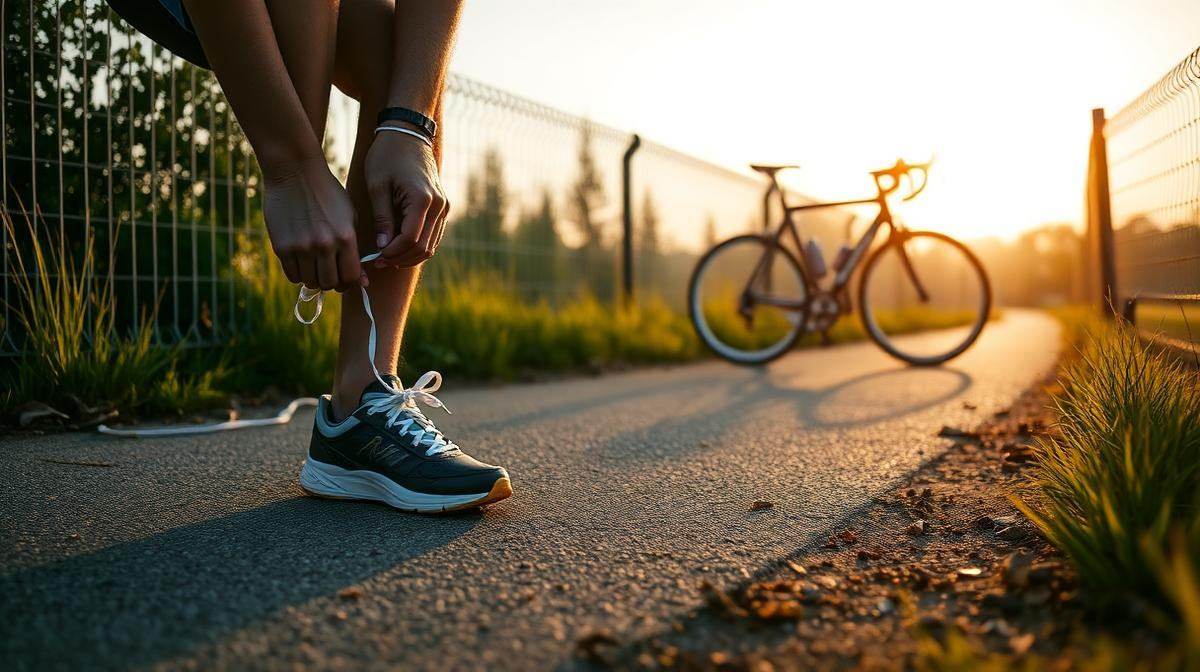
Beginner triathlon training starts with current skills, access and health—not a universal race timeline. Learn each sport safely, progress gradually and choose an event and plan that match your experience.
Key takeaways
- 1Assess swimming comfort, bicycle control and current running tolerance separately before choosing a plan.
- 2Start at a manageable level and progress gradually; no single timeline prepares everyone for a race.
- 3Use qualified instruction and clinical advice for skill or health questions beyond a general article.
- 4A shorter race, a later date or a decision not to start can be the right choice when readiness or conditions change.
In this article
- 1You're more ready than you think
- 2Assessing your starting point
- 3Your first month: building the habit
- 4Swimming: the discipline most beginners fear
- 5Cycling: the most forgiving discipline
- 6Running: the discipline that builds mental toughness
- 7Bringing it all together
- 8Build capability in each sport before chasing volume
- 9Learn the swim before deciding that distance is the main problem
- 10Make cycling practice safe and specific
- 11Progress running by response, not by a calendar promise
- 12Strength, mobility and rest fit around the three sports
- 13Use simple effort cues while learning
- 14Choose support that matches the problem
- 15What readiness means before your first event
- 16Fit training around the life you already have
- 17Practise transition skills without making every workout a race rehearsal
- 18Ask early about access needs and training adaptations
- ?Frequently asked questions
You're more ready than you think
Triathlon is three separate skills connected by two transitions, and you do not need to be an accomplished athlete in all three to begin learning. Start by choosing a realistic event format and understanding its actual course and rules. A common sprint-distance event is about 750 metres of swimming, 20 kilometres of cycling and 5 kilometres of running, but event distances and swim conditions vary; verify the organizer's current information before using those figures. A finish time or preparation window cannot be promised from a general article. Your starting point, previous activity, available time, access to a pool or safe cycling route, health and confidence all matter. The first useful goal is to become comfortable with the skills and routines, then decide whether a particular event fits. If you are new to exercise or have a chronic condition or symptoms that concern you, follow appropriate clinical advice; public-health activity guidance is not a race-training plan.
Assessing your starting point
Take a practical inventory instead of scoring yourself as “fit” or “unfit.” For swimming, ask whether you can enter a pool safely, float or stand where appropriate, exhale in the water, orient yourself and stop calmly; a single 25-metre swim does not establish open-water readiness. For cycling, check that you can start, stop, brake, shift and look around while keeping control in a safe location. For running, note what comfortable walking or easy run-walking currently feels like and whether symptoms occur. You do not have to test all three on one day. If swimming is unfamiliar, book an adult-beginner lesson or ask a qualified instructor to assess water skills. If you have persistent pain, unusual breathlessness, chest symptoms, fainting or a health condition that changes exercise choices, pause and seek appropriate medical advice rather than using this checklist as clearance. Record access constraints too: pool hours, bicycle condition, safe route options, work and care duties. Those facts shape a realistic plan more than a motivational label.
Your first month: building the habit
There is no universal first-month schedule. Someone who already cycles regularly but has never swum needs a different entry point from an inactive adult who is learning all three skills. Begin with activities that are familiar, manageable and repeatable; short sessions are valid. Add one new demand at a time, such as a little more time, a new skill or another training day, and notice how you recover before increasing again. A simple log can record what you did, how it felt, any pain or symptoms, and what access or schedule barriers appeared. Do not treat a missed session as a debt that must be repaid by doubling the next one. Public-health guidance encourages inactive adults to start gradually, but its population-level activity targets are not a triathlon prescription. If regular activity feels difficult to recover from, keep the next step small and consider support from a qualified coach or clinician as appropriate. The week-by-week first-triathlon roadmap covers race preparation and practical milestones; this page focuses on learning the training fundamentals.
Swimming: the discipline most beginners fear
Swimming can feel unfamiliar because breathing, balance and propulsion happen in an environment where standing is not always possible. Begin in a supervised pool or with a qualified adult swim instructor if you are unsure of basic water comfort. Learn to exhale calmly, find a relaxed position, turn to breathe and stop safely before focusing on speed or distance. Use normal, safe practice; never do breath-holding or underwater distance challenges alone, and do not close your eyes to imitate open water. Pool skills do not automatically prepare you for cold, waves, contact, poor visibility or an event start. Open-water practice should be appropriately supervised and follow local rules. If you cannot access safe instruction or are anxious in water, choose a pool-based event, another format or a later race rather than forcing exposure. World Triathlon describes common race distances, but the organizer determines the actual course and conditions.
Cycling: the most forgiving discipline
Cycling may feel lower-impact than running for some athletes, but it still requires balance, handling skills, road awareness and a mechanically safe bicycle. Confidence varies; it is not guaranteed to grow faster than in the other sports. Start in a traffic-free, flat area to practise mounting, stopping, braking, shifting and looking over a shoulder without drifting. Progress to quiet routes that match your handling skill and local road rules. Wear a correctly fitted, properly fastened helmet and use lights or reflective equipment as appropriate to local conditions. An easy gear can reduce effort on a hill, but there is no universally ideal cadence such as 75–85 revolutions per minute; choose a smooth cadence that feels controlled and learn the gears. Check tire condition, brakes, wheels and drivetrain before riding. If a bicycle is unfamiliar, damaged or poorly adjusted, ask a qualified shop or experienced mechanic to inspect it before training on public roads.
Running: the discipline that builds mental toughness
Running is accessible in many places, but its repeated impact is a new load for someone who has not been running. It is not a test of character, and persistent pain should not be treated as something to overcome. Some beginners find alternating easy jogging and walking helpful; others may begin with comfortable walking, a run-specific lesson or another progression suited to their current capacity. There is no fixed run-walk ratio or six-to-eight-week promise that applies to everyone. Choose a pace where breathing remains controlled, keep the first efforts modest and allow recovery before deciding whether to add time or frequency. A softer surface is not always safer if it is uneven or unfamiliar, so prioritize a predictable route and suitable footwear. Stop for concerning symptoms and seek medical advice when needed. Track consistency and comfort as well as distance; the aim is to build a repeatable routine, not prove toughness in a single session.
Bringing it all together
The transition from separate sessions to a triathlon plan should happen when the individual skills and training load support it, not after an automatic first month. A brick session—two disciplines in one workout—can introduce the feel of changing from bike to run, but it is not mandatory for every beginner or a substitute for learning each sport. If you use one, keep it controlled and account for recovery; walking the first minutes is acceptable. Select a beginner plan that states its assumptions about current swimming, cycling and running ability, weekly time, equipment and event distance. Compare those assumptions with your own starting point. A 12-week plan is one possible format, not a guarantee that every athlete will be race-ready in 12 weeks. Repeat a phase, reduce the goal or choose a later event if you need more time. Read the event guide for actual swim conditions, distances, rules and cutoffs. The beginner week-by-week roadmap provides a separate preparation sequence.
Build capability in each sport before chasing volume
A beginner training week has two jobs: develop enough sport-specific skill to move safely, and build a tolerable amount of activity. More minutes do not automatically solve a technique or access problem. Someone who struggles to breathe comfortably in a pool may benefit more from instruction than from trying to accumulate laps. A cyclist who feels unstable on turns should practise bike handling before extending a solo road ride. A new runner whose shins or knees hurt may need to reduce impact and seek qualified assessment instead of adding distance. Keep the first objective concrete: a calm pool entry, a controlled stop on the bike, or an easy walk-run without worsening symptoms. When that task becomes manageable, progress one dimension—duration, frequency, terrain or complexity—while keeping the others familiar. Avoid increasing all of them at once. This is a practical way to apply the “start gradually” principle; it is not a validated formula or an injury guarantee. For schedule examples, use the separate 12-week training plan as a template to discuss with a coach, not a plan to copy regardless of background.
Learn the swim before deciding that distance is the main problem
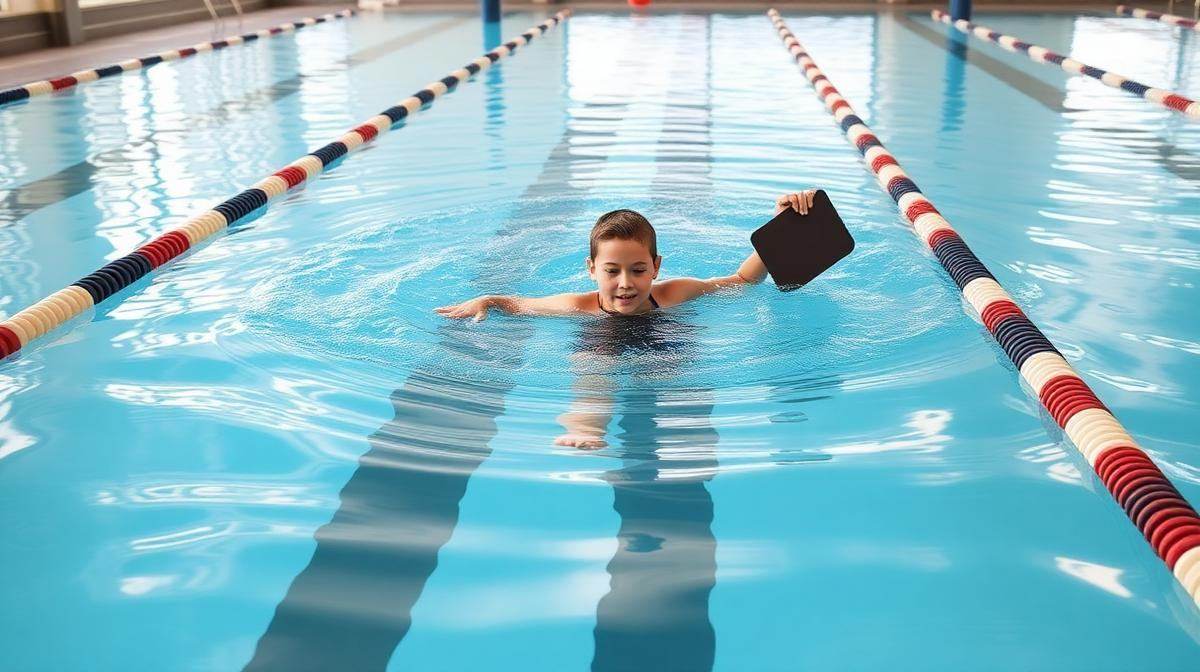
Many adults see a race swim distance and assume that completing it is mostly a matter of willpower. Water confidence and skill are separate from general fitness. A calm, technically guided session can be more productive than repeatedly attempting a long swim with poor breathing or rising anxiety. Ask a pool whether it offers adult lessons, beginner lanes or an instructor with triathlon experience. Explain your goal and current comfort honestly. Work on safe entry and exit, exhaling into the water, floating or resting where the pool permits, changing direction and stopping without panic. Follow lifeguard and pool rules. When you later practise open water, use a venue and session with appropriate supervision, visibility, weather and safety cover; a friend nearby does not automatically make an unsafe location safe. If the event has a mass start or cold-water swim, read its current information and ask the organizer about support and alternatives. Choosing a pool race or postponing is a sensible training decision, not a failure.
Make cycling practice safe and specific
Before adding speed or distance, make sure the bicycle fits well enough to control, the brakes work, the tires and wheels are sound, and you can shift without looking down for long periods. Begin with basic handling away from traffic: straight-line riding, braking with control, cornering at low speed, shoulder checks and predictable stopping. Then choose roads, paths or supervised group rides suited to your local rules and experience. Avoid wearing headphones that reduce awareness where prohibited or unsafe, and never handle a phone while riding. Plan a route with a low-traffic fallback and tell someone where you are going if appropriate. A smart trainer or stationary bike can help with access and consistency, but it does not teach outdoor scanning, braking or road positioning. This distinction helps decide which sessions can be indoors and which skills need safe outdoor practice. A correctly functioning bicycle does not need to be expensive; prioritize reliability, fit, helmet and essential service over aerodynamic upgrades. See the beginner bike maintenance guide for basic pre-ride checks.
Progress running by response, not by a calendar promise
When running is new, muscles, tendons, bones and joints experience a different load from swimming or riding. There is no universal weekly percentage increase that prevents injury. Instead, keep early efforts easy and observe how you feel during the session, later that day and the next day. General tiredness that settles may be different from localized or worsening pain, a change in gait, swelling or symptoms that persist. Do not diagnose the cause from an article; reduce or stop the provoking activity and seek qualified medical advice when symptoms are significant or do not improve. Progress only when the current activity is manageable and recovery is adequate. You might extend one easy interval, add a walk, or repeat the same session rather than increase. Track the route and surface so that a new hill or uneven trail is not added at the same time as a longer run. Cross-training can maintain activity, but it cannot guarantee that tissues are ready for a sudden jump in running. Keep the objective patient: regular, comfortable practice that can continue next week.
Strength, mobility and rest fit around the three sports
Triathlon training does not require every beginner to add a complex gym routine. Basic strength work may support general health and movement capacity, but its content should match the person's experience, equipment and medical needs. A beginner could learn a few simple movements with a qualified instructor or follow appropriate public-health guidance, leaving enough time and energy for the sports skills. Do not assume that soreness proves a workout was effective or that strength work prevents every injury. Rest days and easy sessions help make a schedule sustainable; their placement depends on total activity, sleep, work and recovery. A day with no triathlon workout can still include ordinary walking or mobility, but it need not. If your plan leaves you continually exhausted, interferes with daily life or causes recurring pain, adjust it and seek guidance rather than adding supplements or more sessions. The objective is not to maximize how many activities fit into a week. It is to practice enough to learn while preserving the ability to return consistently.
Use simple effort cues while learning
Beginners do not need a power meter, heart-rate monitor or pace chart to begin moving. A talk test can help many people notice whether an aerobic effort feels conversational, although heat, medication, health and individual response can change how effort feels. In the pool, prioritize relaxed breathing and control rather than chasing a pace. On the bike, select a gear that lets you pedal without straining and keep attention on the road. On a run or walk, slow down or take a break when breathing becomes uncomfortable or coordination changes. These cues are general training tools, not medical screening. Chest pain, fainting, severe or unusual breathlessness, confusion or other worrying symptoms call for stopping and appropriate care. Once you have consistent practice, a coach can help interpret pace, cadence, power or heart-rate data in context. Numbers are useful only when the device is accurate, the workout is understood and the next decision is clear.
Choose support that matches the problem
Different questions need different expertise. A swim instructor can help with water comfort and technique; a qualified cycling coach can teach handling and pacing; a mechanic can assess bicycle safety and fit components; a running coach can review training progression; and a clinician can address symptoms, chronic conditions, medications or injury concerns. A general online plan may not account for your work schedule, disability, pregnancy, access to facilities or medical history. Before paying for coaching or a training app, ask what the service includes, what assumptions its plans make, how modifications are handled and what credentials are relevant in your location. Avoid services promising guaranteed outcomes or diagnosing health problems. A supportive club or beginner event can make the sport more welcoming, but you remain free to train independently or select another format. USA Triathlon provides a getting-started resource and training materials; athletes outside the United States should also consult their national federation and local event organizers for applicable rules and opportunities.
What readiness means before your first event
Readiness is not a single distance test or a guarantee that race day will go smoothly. Ask whether you understand the actual event format, can complete the required sport tasks within the organizer's cutoffs with a realistic margin, know the swim and transition rules, can control your bicycle, and have practised the equipment and food you intend to use. The answer may be different for a pool swim, a mass open-water start, a hilly ride or a hot event. Review the official athlete guide close to race day because rules and logistics can change. Have a plan for stopping and contacting event medical support. If you are unsure about swim safety or a health issue, contact the organizer or an appropriate clinician before the start. Readiness can mean changing to a shorter distance, deferring, or choosing a later race. Registration cost, months of preparation and encouragement from others do not require you to start when conditions or health make participation unsafe.
Fit training around the life you already have
Start by writing down the time that is genuinely available in a normal week, including travel to a pool, changing, equipment setup and recovery—not only the minutes in a workout plan. Pick predictable windows and activities that are easy to access. If you can swim only once a week, use that session for coached skill practice and keep the other sports modest while you solve access; do not compensate by adding unsupervised open-water mileage. If shift work, caregiving or travel changes your schedule, plan a flexible range of days rather than a rigid Monday-to-Sunday template. A short session that you can repeat is a better starting point than a demanding schedule that regularly gets skipped. Keep one backup option for bad weather or a closed facility, such as a walk, mobility session or indoor ride if suitable. Public-health recommendations describe population-level benefits, but a triathlon plan needs to reflect your sport skills and event. If the available time is far below a plan's assumptions, choose a later or shorter event rather than compressing its sessions.
Practise transition skills without making every workout a race rehearsal
Transitions add equipment handling and navigation to a day that already has three disciplines. Beginners can learn the layout gradually: set out a helmet, shoes and race number at home; practise a calm sequence; and learn where to find the mount and dismount lines in the athlete guide. In a safe, private area, rehearse taking off a helmet only after the bike is racked, putting on shoes without rushing, and moving through a simple layout. Do not practise mounts, dismounts or running with a bicycle in a crowded public transition area unless the organizer permits it. Rules differ by event, so confirm whether equipment, shoes, hydration and changing facilities are handled in a specific way. You do not need a high-speed “flying” mount or an elaborate setup to complete a beginner event. For a first race, clear organization and safe movement are more useful than chasing seconds. See the race morning routine guide for a checklist that can be adapted to event instructions.
Ask early about access needs and training adaptations
A beginner may need changes for disability, injury history, pregnancy, age, sensory needs, religious clothing, equipment access or other personal circumstances. A generic plan cannot decide which adaptations are safe or suitable. Ask a clinician about individual medical or movement questions; ask a qualified coach or instructor about sport-specific modifications; and contact the event organizer early about course access, transition layout, assistance, adaptive equipment, start format and accommodation deadlines. Rules and support vary across organizers and jurisdictions, so get an answer for the specific race rather than assuming another event's policy applies. A training space may also need practical changes such as a pool lift, accessible changing room, tandem partner, stationary cycle or safer route. If the answer is unclear, request the relevant policy in writing and allow enough time to assess the response. Training should support participation without pressuring you to hide symptoms, ignore your needs or imitate an able-bodied athlete's exact schedule.
Sources
Sources are listed so readers can verify consequential claims and dated details.
- How Do I Get Started in Triathlon? — USA Triathlon (accessed September 25, 2026)
- Adding Physical Activity as an Adult — U.S. Centers for Disease Control and Prevention (accessed September 25, 2026)
- Age-Group Racing: distances and participation — World Triathlon (accessed September 25, 2026)
- What Do I Do in the Pool? — USA Triathlon (accessed September 25, 2026)
Frequently asked questions
How should a complete beginner start triathlon training?
Assess your current swim comfort, bike-handling skills, running or walking tolerance, health considerations and access to safe practice. Begin with manageable sessions and gradually develop the skills and consistency you need; there is no universal starting schedule.
How long does a beginner need to train for a triathlon?
It depends on current fitness and skills, event distance, swim conditions, weekly availability, health and training history. A published plan length is a framework, not a guarantee that everyone will be ready in the same number of weeks.
Do I need to know how to swim before training for a triathlon?
You should be comfortable and safe in water before attempting race-specific swimming. If you are new or anxious, begin with qualified adult swim instruction in a supervised pool; do not try to solve water fear with unsupervised open-water practice.
Is a 12-week plan enough for a first triathlon?
It may suit some athletes and not others. Compare its starting assumptions with your current skills, health, available training time and the event's actual course and cutoffs; repeat, adapt or choose a later race if needed.
Should beginners do brick workouts?
A short bike-to-run session can introduce the transition once the individual activities are manageable, but it is not mandatory for every beginner. Keep it controlled and account for recovery.
What is a good beginner triathlon distance?
Choose based on your skills, event access, swim conditions, cutoffs, course and preparation time. Sprint and super-sprint events are common entry points, but event distances and formats vary, so check the organizer's current details.