Budget Triathlon Gear: Spend on the Gaps That Matter
A practical budget guide for triathlon gear, including full ownership costs, used bicycle checks, helmet safety, recurring expenses and when to borrow, rent or wait.
By Lotte
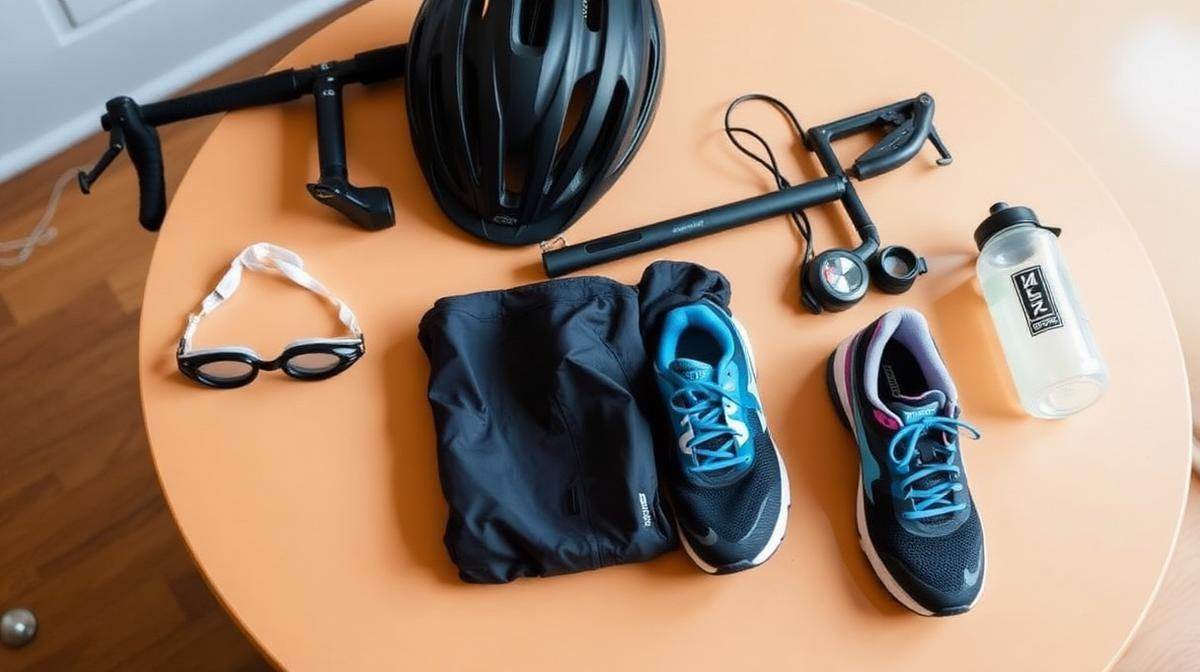
Build a triathlon budget from what you already own, what the event requires, and what keeps training safe and accessible. Compare complete costs for buying, borrowing and renting, inspect used gear carefully, and keep optional upgrades behind maintenance and participation needs.
Key takeaways
- 1Start with an inventory, the actual event rules and the condition of equipment you already own.
- 2Budget for access, maintenance, travel and entry costs as well as one-time gear.
- 3Check used bicycle condition, fit, compatibility and service needs before comparing asking prices.
- 4Do not use a secondhand helmet with an unknown impact history; follow manufacturer guidance and local standards.
- 5Treat upgrades as optional unless they solve a specific, observed problem.
In this article
- 1Inventory before setting a shopping total
- 2Use a total-cost worksheet
- 3Choose where used equipment makes sense
- 4Compare borrowing, renting and buying
- 5Prioritise problems you can observe
- 6Make low-cost equipment last
- 7Use cost per outing without turning it into a buying excuse
- 8Separate the first-race budget from the replacement budget
- 9Keep a record of what an upgrade would actually change
- 10Divide needs by consequence, then by convenience
- 11Include access and participation costs before buying more gear
- 12Compare a purchase with borrowing, renting and delaying it
- 13Use a used-bike check that matches your experience
- 14Spend on the fit and maintenance you can verify
- 15Check standards, compatibility and return terms before payment
- 16Plan for wear without buying a full spare kit
- 17Make the budget work for different race situations
- 18Use a review point to prevent upgrade creep
- ⚖
- ?Frequently asked questions
Inventory before setting a shopping total
List the bike, helmet, shoes, swim kit and clothing you already own. Mark condition, fit and event suitability. An item counts as available only if you can actually use it for the planned training and race.
Separate one-time equipment from recurring costs such as pool access, servicing, replacement tires, travel and entry fees. A low equipment bill can still leave an unaffordable season if those recurring costs are ignored.
Use first-race essentials to decide which items are needed. This guide focuses on how to obtain and maintain them within a budget.
Use a total-cost worksheet
For each possible purchase, record item price, necessary accessories, fitting or repair, delivery, expected immediate maintenance and the date it is needed. Use local quotes rather than a global price claim.
An illustrative used bike at €400 needing €120 of service and €60 of contact-point changes has an initial usable cost of €580. A €550 alternative already in suitable condition may therefore be cheaper to start with. These figures demonstrate the method, not current market prices.
Keep a contingency for unexpected wear or a replacement before the event. Spending the entire budget on the frame can leave no room to make it rideable.
Choose where used equipment makes sense
Secondhand clothing and accessories can save money when fit, condition and compatibility are easy to check. A used bicycle may also work well, but the advertised price is only a starting point: inspect the frame and components, check for missing proprietary parts, and ask about crash and service history. If you are unsure about mechanical condition, budget for a bicycle shop inspection before riding or racing it. A shop check cannot guarantee that concealed damage does not exist, but it can identify many faults that a novice buyer may miss.
Do not buy a secondhand helmet unless its history is known and it remains within the manufacturer's care and replacement guidance. A helmet can be damaged by an impact without obvious visible signs. The U.S. Consumer Product Safety Commission says to follow the helmet instructions after an impact; use a new, correctly fitting helmet from a reliable seller when history is uncertain. Standards and sale requirements vary by country, so check the relevant local standard and the event rules. See the CPSC bicycle helmet guidance.
Check return terms before buying online. A bargain that cannot fit your bike or body has no practical value.
Compare borrowing, renting and buying
Borrowing works best when there is time for adjustment and practice and both parties understand responsibility for damage or maintenance. Renting can be useful for a wetsuit or travel case used infrequently.
Buying may make sense when the item will be used repeatedly and the fit is already established. Compare the likely number of uses with rental costs, but include storage, maintenance and resale uncertainty.
Do not make a purchase depend on an optimistic resale price. Treat resale as a possible later recovery of cost, not money already available for this season.
Prioritise problems you can observe
Fix worn tires, unreliable brakes, poor fit or inadequate gearing before shopping for an unmeasured aerodynamic gain. Instruction can also be a better use of money when swim confidence or handling prevents training.
Keep an upgrade list with the problem each item is supposed to solve. “My bottle is hard to reach” is actionable; “I need a more professional setup” is not.
Reassess after a race or several weeks of training. The gear upgrade calculator can organise assumptions, but predicted time savings should not override safety or actual usefulness.
Make low-cost equipment last
Follow cleaning, storage and maintenance instructions, especially for wet swim kit, tires, drivetrain components and electronics. Address small faults early rather than discovering them at race check-in.
Keep a record of compatible consumables and the tools needed for ordinary repairs. Buying the wrong spare tube or valve extender wastes money and may leave you unable to repair a puncture.
Review the budget after the first event: what was used, what remained unnecessary, and what repeatedly caused trouble? Let that evidence determine the next purchase. A sustainable budget leaves room to keep participating.
Use cost per outing without turning it into a buying excuse
A fictional €90 item used 30 times costs €3 per outing before maintenance. A €30 item used twice costs €15 per outing. This calculation can reveal the value of equipment you use regularly, but it does not prove that the more expensive item was necessary.
Estimate likely use conservatively and include servicing, consumables and replacement parts. Do not count hoped-for future races as guaranteed uses. For a one-off need, compare rental and borrowing with purchase and resale, allowing for the time and uncertainty involved.
Keep a small repair reserve separate from upgrades. A dependable pump, usable tires or a brake service may solve a more immediate problem than a discounted performance accessory. Review the budget after your first few months of training: actual friction and wear provide better information than a complete shopping list made before your first session.
Separate the first-race budget from the replacement budget
A first-race equipment list can hide the cost of keeping equipment usable. Tires, tubes or sealant, worn clothing, batteries and servicing can recur even when you stop buying upgrades. Keep a separate line for those needs so a discounted accessory does not use the money required for a safe bicycle.
Begin with an inventory. Mark each item as usable, needs inspection, needs a small repair, or missing. Do not replace an entire category because one component has worn out. Conversely, avoid preserving an unsafe item simply because you already own it.
For a fictional starter budget, you might allocate €100 to necessary service and consumables, €40 to comfortable basic clothing and €30 to a missing practical item. That €170 example is not a claim about what triathlon must cost. The actual amount depends on what you own, local prices, fit and the event requirements. Its purpose is to put essential work before optional spending.
If the budget is too small for required safety or access needs, revisit the event timing, borrowing options or available support. Do not solve the shortfall by ignoring the condition of the bike or helmet. A less expensive event or a later start can be a better decision than a rushed equipment compromise.
Keep a record of what an upgrade would actually change
Before buying, finish the sentence: “This purchase would solve…” A specific answer might be a shoe that does not fit, a worn drivetrain part or a bag needed for a confirmed trip. “It might make me more serious” is harder to evaluate.
Give optional purchases a review date after ordinary training has supplied more evidence. If the problem disappears when you adjust the setup or learn a skill, the purchase may no longer be necessary. If it remains, you can compare products against a clearer requirement.
Selling unused equipment can recover space and money, but price and timing are uncertain. Do not treat expected resale value as cash already available for a race commitment. A realistic budget should still function if an item takes longer to sell or brings less than hoped.
Divide needs by consequence, then by convenience
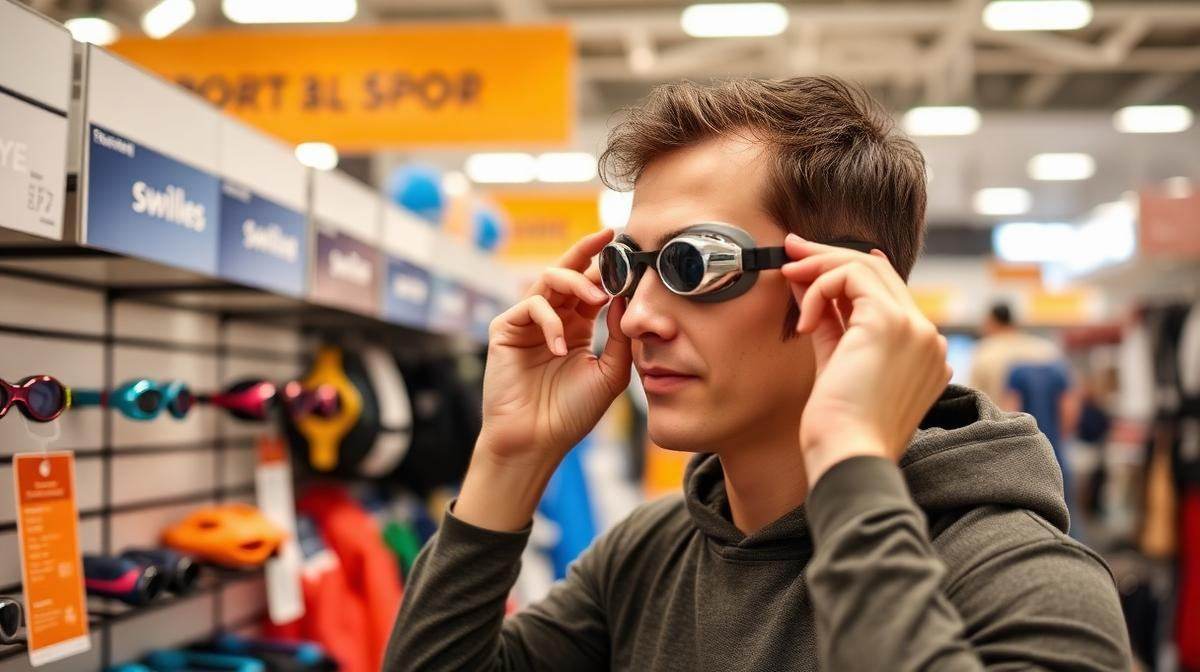
A useful spending order begins with consequences. First, cover safe participation and access: a suitable bicycle and correctly fitting helmet, basic swim access and clothing, running footwear you can tolerate, and repairs that keep equipment working. Then consider practical comfort and skill support, such as a swim lesson, a bike check, a wetsuit rental for an event that requires or suits one, or a reliable way to carry essentials. Only after those needs are covered should you weigh optional upgrades.
This is a decision order, not a universal shopping list. Pool events may not require a wetsuit; weather, venue rules and local laws can change what is needed. An athlete who already owns suitable shoes or a safe bike has a different gap from a new participant. Read the current organizer guide before purchasing event-specific clothing or equipment. The first-triathlon essentials guide addresses what an item does; here, the question is whether to obtain it new, used, borrowed or rented.
If an essential item is not affordable, explore a later race date, borrowing, community programs, club equipment libraries or a lower-cost event. Do not let a checkout timer turn an optional accessory into a perceived requirement. A budget should make participation sustainable, not make the kit list look complete.
Include access and participation costs before buying more gear
Equipment is only one part of the season's cost. Depending on where you live and the event, recurring expenses can include pool entry, coaching or lessons, bike servicing, tires and tubes, fuel for training, event entry, transport, accommodation, parking, insurance or federation membership. Some expenses recur every week; others arrive as one large payment close to race day. Write them in separate lines so a low initial equipment total does not hide an unaffordable plan.
Start with an event and location you can realistically reach. Ask what the entry fee includes and what may be extra: timing chip deposit, mandatory membership, transition transport, bag drop, parking or rental equipment. Confirm information with the organiser because event terms change. For recurring access, compare the number of sessions you are likely to attend against a drop-in price or membership rather than assuming you will use an unlimited pass.
If cost is a barrier, ask a local club, pool, event organiser or community recreation program about beginner sessions, loan equipment, scholarships or volunteer arrangements. Availability depends on location; do not include an unconfirmed discount in the budget. Keep a small reserve for ordinary repairs and travel changes before assigning remaining money to performance purchases.
Compare a purchase with borrowing, renting and delaying it
Use the same question for every option: what is the full cost of having this item ready at the time I need it? For a purchase, include shipping, fitting, assembly, service, compatible accessories and likely replacement parts. For a rental, include collection, return, cleaning, insurance or damage deposits, travel and the risk that your size is unavailable. For borrowing, agree on dates, condition, cleaning and responsibility if something breaks.
Borrowing is often a good way to try an infrequently used item, but only when there is enough time to check fit and practise with it. Renting can make sense for a travel case or a wetsuit used for one event, provided the rental policy and size range suit you. Buying may make sense for an item used regularly when you know your fit and can maintain it. Delaying can be the best choice when the need is speculative or the purchase would consume repair money.
Do not rely on an optimistic resale estimate to make a purchase affordable today. Resale price, timing and buyer interest are uncertain. A simple comparison can show break-even use: add all ownership costs, subtract only conservative resale proceeds after the fact, then compare with actual rental costs for the uses you reasonably expect.
Use a used-bike check that matches your experience
A low-cost bicycle is not a bargain if it needs a frame, wheel or drivetrain replacement that costs more than another bike. Before travelling to see one, confirm the frame size, wheel size, brake type, gears, tire clearance and any unusual standards or proprietary parts. Ask the seller for its model and year, maintenance records, crash history, included components and clear photographs. An incomplete answer is a reason to slow down rather than make a deposit.
In person, confirm that the bike matches the listing, fits you well enough to ride safely, and shifts and brakes as expected. Look for obvious cracks, dents, corrosion, damaged wheels and loose parts. Carbon damage can be difficult to judge visually, so a photograph or short test ride cannot certify a frame. If you lack the experience to assess it, arrange a shop inspection before purchase and budget for the visit. A mechanic may find concerns but cannot guarantee that every hidden defect will be found.
Use a secure local transaction and verify ownership where possible. Guidance from Cycling UK on secondhand bikes recommends seeing and inspecting a bicycle and involving someone knowledgeable when needed; the legal and stolen-property context differs by country. Do not ride a bike with questionable brakes, structural damage or uncertain fit while you decide whether the asking price is worth it.
Spend on the fit and maintenance you can verify
Some of the highest-value expenses solve a visible problem rather than promise a faster result. A brake that does not work correctly needs repair. A tire with damaged casing needs replacement. A shoe that causes repeated discomfort may not be the right shoe. A beginner who cannot swim comfortably may benefit more from qualified instruction than from a new watch. These decisions are easier to defend because they address a concrete safety, access, fit or learning need.
Fit is personal and can depend on adjustment, body shape and intended use. Try items when possible, learn the return policy, and check whether adjustment or assembly is included. For a bicycle, a basic safety service and fit conversation may resolve practical issues before a large equipment change. A professional fit is not a mandatory purchase for every participant; it may be useful when a specific position or comfort problem persists.
Keep an “upgrade” note with three columns: the observed problem, a lower-cost fix to try, and the evidence that would justify a purchase. “Bottle falls out on rough roads” is a testable concern. “Everyone in my group has carbon wheels” is social comparison. Revisit the note after several ordinary sessions, not while browsing a sale.
Check standards, compatibility and return terms before payment
Budget purchases still have to fit the event and equipment they will be used with. Check the event's current rules for helmets, swim clothing, wetsuit eligibility, bicycles and race numbers. These requirements vary by governing body, country, distance, age group and event. A general guide or an older athlete's packing list is not the final authority. Contact the organiser if a rule is unclear.
For a replacement component, identify the exact model and interface before ordering. Measure or check the manufacturer's compatibility chart for the bicycle, shoes, pedals, seatpost, bottle cage or electronic device. “Looks similar” is not a compatibility standard. Confirm the item is complete, includes the required mounts or adapters, and can be returned if it does not fit. Avoid counterfeit safety equipment or products with unclear certification.
Compare like with like: the correct size, version, specification and included parts at the total delivered cost. A lower listing price for a previous generation, different size or missing adapter does not mean you found a better price for the thing you actually need. Save the model number, receipt, warranty terms and installation instructions; those details help with later maintenance and future purchasing.
Plan for wear without buying a full spare kit
A sustainable budget includes consumables and repairs, but this does not mean buying every possible spare at once. Start with what the equipment manufacturer and your intended routes require. For a bike, learn how to deal with a puncture using a spare compatible with the wheel and tire, and carry the tools you know how to use. Ask a local mechanic or club for help identifying valve type, tire size and repair method. A tube for the wrong wheel is money wasted.
After each training block, note wear and faults: tire condition, brake feel, chain cleanliness, worn shoe tread, damaged goggles or straps, and clothing repairs. Follow manufacturer care instructions, especially for electronics and wetsuits; harsh cleaning or poor storage can shorten service life. Do not wait until race week to investigate a small fault, when rush shipping and limited choice can increase cost.
Prioritize expected maintenance based on condition and actual use, not a fixed universal replacement interval from a generic list. A mechanic can inspect safety-critical bike issues when you are unsure. Set aside whatever amount is realistic in your local budget; the important practice is to keep some capacity for maintenance before spending every available unit on optional upgrades.
Make the budget work for different race situations
A local pool race, an open-water event and a destination race create different cost profiles. The pool event may reduce travel and wetsuit needs but involve repeated entry fees or specific pool access. An open-water race may require supervised practice and a suitable swim layer depending on conditions and rules. A destination event adds transport, bike handling, accommodation and possible rental costs. These are planning differences, not a claim that one type of race is always cheaper.
Sketch two versions of your plan: the minimum safe and usable version, and the version you would choose if more money became available. List the items and costs in each, then identify what changes your decision. Perhaps a nearby event avoids a hotel; perhaps a borrowed case makes a flight possible; perhaps buying a bicycle earlier allows time for inspection and familiarisation. Make sure borrowed or rented equipment is available on the dates you need it.
If the event costs exceed what you can comfortably afford, adjust the event, timing or format before taking on debt for optional gear. A race entry is not a financial obligation to buy the entire sport's catalogue. Participation is more sustainable when your budget leaves room for ordinary life as well as training.
Use a review point to prevent upgrade creep
Set a date to review spending after you have completed a few weeks of training or your first event. Compare expected and actual costs, what equipment you used, what remained untouched, what needed repair, and what made practice easier. This turns your next decision into a response to experience rather than a prediction made from product descriptions.
For each proposed purchase, write a specific success condition. “A replacement pump works with my valve and reaches the pressure I use” can be checked. “This will make me faster” may require controlled testing and may not be worth the cost. If performance matters, consider whether training, sleep, technique or a better fitting setup would address the same issue at lower cost. A spreadsheet can organise assumptions; it cannot prove that an upgrade will improve your results.
Remove items from the list when the problem disappears, and retain the repair reserve when a sale appears. If you choose to sell something, treat the money as available only once a sale is complete. A budget that adapts after real use is more useful than a perfect-looking kit list purchased at the start of the season.
| Option | Can suit when | Check before choosing |
|---|---|---|
| Buy new | Fit, reliable history or current safety specification matters | Full price, fitting, included parts, warranty and return terms |
| Buy used | Condition and compatibility can be assessed | Service cost, seller history, structural condition and shop inspection |
| Borrow | The item is needed briefly and can be checked in time | Fit, dates, practice time, cleaning and damage agreement |
| Rent | Use is infrequent or ownership adds storage and maintenance | Size availability, deposits, collection, return and total trip cost |
| Delay | Need is speculative or money is needed for essentials | Whether timing or event choice should change instead |
Sources
Sources are listed so readers can verify consequential claims and dated details.
- Bicycle safety — NHTSA (accessed September 14, 2026)
- Helmet replacement guidance — NHTSA (accessed September 14, 2026)
- Get started in triathlon: essential gear and race selection — USA Triathlon (accessed September 24, 2026)
- Get Racing: equipment and event basics — USA Triathlon (accessed September 24, 2026)
- Bicycle helmet frequently asked questions — U.S. Consumer Product Safety Commission (accessed September 24, 2026)
- How to buy a secondhand bike — Cycling UK (accessed September 24, 2026)
Frequently asked questions
How much does it cost to start triathlon?
There is no universal total. Costs depend on what you own, local pool and coaching access, event fees, travel, course rules and equipment condition. Make an inventory and price the full season, including service and consumables, before deciding what you need to buy.
Can I do triathlon on a budget?
Often, yes. Use suitable equipment you already own, borrow or rent items used rarely, choose a reachable event, and prioritise safe condition and fit before optional performance upgrades. Confirm the specific race rules before relying on any item.
Is it safe to buy a used triathlon bike?
A used bike can be a good option if its size, condition and components suit you. Ask about service and crash history, inspect it in person when possible, and arrange a qualified shop check if you are unsure. A visual inspection cannot guarantee that concealed damage is absent.
Should I buy a used bicycle helmet?
Avoid a helmet with unknown impact or care history. Follow the manufacturer’s instructions after an impact, check local safety standards, and buy a helmet that fits correctly from a reliable seller.
Should I rent or buy a wetsuit?
Compare the total rental cost with purchase, including fit, cleaning, collection, return and how often you expect to use it. First confirm that your event and conditions make a wetsuit appropriate; rental availability and event rules vary.