Triathlon Race-Day Breakfast: Timing, Food Choices and Planning
Plan a familiar triathlon race-day breakfast around your start time, transition schedule, travel, personal tolerance and separate on-course fueling needs.
By Lotte
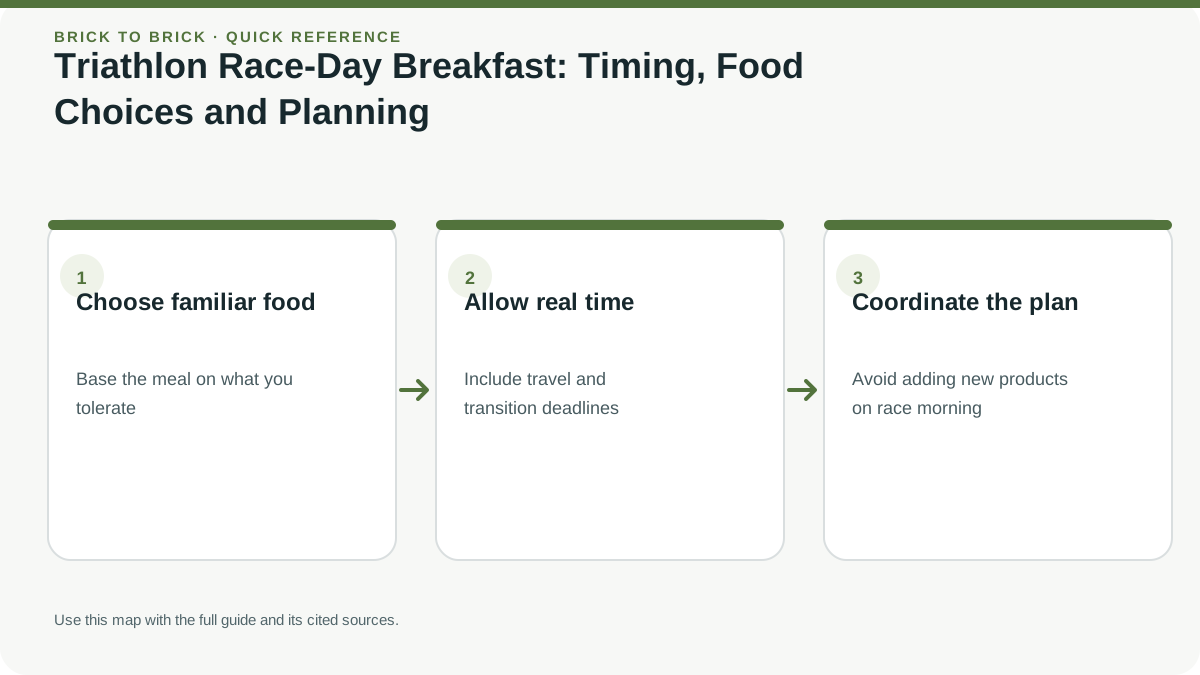
A practical race-day breakfast is familiar, timed around the actual event schedule and comfortable for the athlete. This guide offers ways to plan around early starts, travel, appetite and individual needs while keeping breakfast distinct from during-race fueling.
Key takeaways
- 1Use familiar foods and test the timing before race day; no single breakfast fits every athlete.
- 2Plan from transition and travel times as well as the official start time.
- 3Breakfast is separate from during-race fueling on longer events.
- 4Drink comfortably; forced large volumes are not a universal hydration strategy.
- 5Medical conditions, medications, allergies and caffeine sensitivity call for individualized advice.
In this article
- 1Quick answer: what should breakfast include?
- 2Work backward from the start
- 3Coordinate caffeine and race fuel
- 4Prepare for disruptions
- 5Build breakfast from familiar foods, not a magic menu
- 6Work backward from the actual start and transition schedule
- 7Early starts, travel and hotel breakfast
- 8Choose foods by comfort and timing
- 9Breakfast, caffeine and medications
- 10Hydration without forced drinking
- 11Keep breakfast separate from the on-course plan
- 12If the race is delayed or your stomach feels unsettled
- 13Make a race-morning breakfast rehearsal
- 14Breakfast planning examples by start pattern
- 15Dietary needs and individual differences
- 16A race-morning timeline example
- 17Why one perfect race breakfast does not exist
- 18A useful plan is flexible but not improvised
- ?Frequently asked questions
Quick answer: what should breakfast include?
Choose one or more familiar carbohydrate-rich foods, add other foods according to tolerance, and drink normally rather than forcing fluid. Examples can include cereal and milk, toast with a familiar topping, rice, porridge or a tolerated liquid meal; none is universally best.
Work backward from the start
Include travel, parking, check-in, transition closure and warm-up. A larger meal usually fits earlier; a smaller snack or drink can fit closer to the start. Use the timing that worked repeatedly in training rather than copying another athlete.
Coordinate caffeine and race fuel
Count coffee, tea, gels and caffeinated drinks together. Decide when the on-course fueling plan begins so breakfast and early race intake do not accidentally create a much higher load than practised.
Prepare for disruptions
Bring a shelf-stable familiar backup and enough time to eat without rushing. If the start is delayed, use a small rehearsed top-up only when needed. Medical conditions, pregnancy, diabetes or medication can change breakfast and fluid planning and require individual advice.
Work backward from the actual start and transition schedule
The race start time is not always the time you need to wake, eat or travel. Build a backward timeline from when transition closes, when you must be at the swim start, transport departure, bag drop and any mandatory briefing. Read the current athlete guide because these details change by event and year. Leave room for bathroom stops, delays and a calm check of your equipment.
| Planning step | What to confirm | Why it matters |
|---|---|---|
| Start wave and location | Exact wave, swim start, and whether athletes walk or travel there | A staggered start can create a long gap after breakfast. |
| Transition access | Closing time, body marking, setup rules and bag storage | A meal plan cannot compensate for missing a required check-in. |
| Travel | Hotel breakfast hours, shuttle time, parking and road closures | The earliest reliable food may be self-packed. |
| Contingency | Delay, weather change, or long wait before start | A familiar portable snack can be useful if permitted and needed. |
Once that timeline is clear, decide whether one meal or a meal plus a small familiar snack fits. Keep the event nutrition plan separate from the logistics plan: breakfast is one part of the day's intake, not a substitute for fueling during a long race. Pack shelf-stable foods if hotel timing is uncertain, but check storage and food safety. Avoid making a new hotel buffet choice just because it is included.
Early starts, travel and hotel breakfast
An early start can make appetite low and meal timing awkward. Some athletes eat a modest familiar meal after waking; others eat part before bed and a smaller portion in the morning. The right arrangement should be tested during early training starts, not invented on race morning. If you have a medical nutrition plan, follow the plan made with your clinician rather than a general guide.
Travel adds practical details: breakfast may not open early enough, kitchen access may be limited, and local foods or water may differ from home. Pack familiar shelf-stable options in their original packaging where possible and confirm airline or border rules if crossing jurisdictions. Do not rely on an unfamiliar refrigerator or leave perishable food unrefrigerated. Ask the hotel in advance about a takeaway breakfast, but carry a backup if the start schedule is strict.
Avoid overcomplicating the meal with multiple supplements, high caffeine doses or foods that are unusual for you. If the event is in another country, labels and serving sizes may differ. Confirm allergens and ingredients. A small meal you can eat calmly is generally more practical than a large buffet plate you are rushing to finish. Hydrate according to thirst and your normal plan; do not drink excessive amounts to “pre-load.”
Choose foods by comfort and timing
Many athletes prefer foods they find familiar, easy to portion and relatively low in fiber or fat close to a hard start, because a very large or unfamiliar meal may sit uncomfortably. That is a personal comfort strategy, not a rule that fiber or fat is unhealthy or forbidden. Normal meals across the day still matter for health and training. Avoid restricting entire food groups just for one race without qualified advice.
Examples of breakfast components may include oats or cereal with milk or a tolerated alternative; toast, bagel or rice with a familiar topping; fruit or applesauce; yogurt; or a drinkable option if solids are difficult early in the morning. Athletes with allergies, religious or ethical dietary practices, or gastrointestinal conditions can adapt the pattern to foods they know are safe. The exact meal does not need to look like a conventional Western breakfast.
Use training to test both content and clock time. If a meal felt comfortable two hours before a steady bike ride, that does not prove it will feel identical before a cold open-water swim or an intense run. Keep notes and adjust one variable at a time: portion, timing, drink, or food choice. Seek qualified help if your only way to feel ready is to skip meals, eat to distress or follow rigid rules.
Breakfast, caffeine and medications
Coffee and tea are familiar parts of many athletes' mornings, but caffeine is not required for a good race. Its effects vary and can include increased alertness, jitters, anxiety, bowel urgency, sleep disruption or changes in how effort feels. If you regularly use caffeine and decide to include it, keep the amount and timing familiar. Do not stack coffee, energy drinks, pre-workout products and caffeinated gels without counting the total.
Medication instructions take priority over sport-nutrition tips. Some medicines need food, some should be taken at a certain time, and some interact with caffeine or exercise. Ask your prescribing clinician or pharmacist how to manage medication on race morning; do not change or skip a dose to match a generic meal schedule. People with diabetes or another condition that affects eating, blood glucose or medication need an individualized plan and should carry the supplies recommended by their care team.
If a food or supplement triggers an allergic reaction, do not retest it because race day is approaching. Verify ingredients and cross-contact information with the manufacturer when needed. A general breakfast article cannot determine whether a food, supplement or caffeine dose is safe for your medical circumstances.
Hydration without forced drinking
Drink in a way that is comfortable and consistent with your plan. A race-morning meal may include a normal drink, but there is no need to consume a large volume quickly to prove you are hydrated. Excessive fluid intake can be dangerous, and thirst, weather, travel, medication and individual needs differ. Use event guidance and qualified clinical advice where relevant.
Check access to water at the venue and whether you can carry a bottle through transition. Some starts involve a long wait after check-in; sipping may be more comfortable than a large drink immediately before the swim. Do not confuse thirst with a need to add concentrated sports drink or sodium without a reason. Electrolyte products have their own dose and are not a universal safeguard against illness.
If you have been given a fluid plan due to medical or athletic circumstances, review it with the professional who knows your history. Symptoms such as confusion, repeated vomiting, fainting or severe weakness require medical attention, not improvised fluid or salt treatment. The event medical team is the right source for urgent concerns.
Keep breakfast separate from the on-course plan
Breakfast starts the race day; it does not cover every later hour of a long triathlon. For a longer event, create a separate plan for carbohydrate, fluid and any chosen caffeine during the bike and run, based on training, event duration, course access and tolerance. Include what is on course only after checking the current athlete guide. Aid-station brands, cup contents and spacing can change.
Write down the last meal time, any snack before the start, and the products you expect to use later. This can prevent the common mistake of counting only gels while forgetting carbohydrate in bottles, or assuming a gel will replace water. Rehearse products at training intensity and do not test a new food on race morning. If you prefer not to use packaged sports products, familiar food may be an option when safe and practical; plan storage and handling.
For more detail, see the race fueling guide, energy gel guide and carb-loading guide. Carb loading, breakfast and during-race intake are related decisions, but they are not interchangeable. Avoid trying to make up a week of inadequate eating with an unusually large breakfast.
If the race is delayed or your stomach feels unsettled
A delay can extend the gap between breakfast and the start. Listen to official instructions first: organizers may move athletes, reopen transition or change the course. If you packed a familiar snack, use it only if it is permitted, needed and likely to sit comfortably. Avoid repeatedly eating large amounts during an uncertain wait, and do not use a new gel or supplement simply because you feel nervous.
If nausea is mild and you feel otherwise well, take time, stay in a comfortable place and follow your established approach. If symptoms are severe, worsening or accompanied by faintness, chest pain, repeated vomiting, confusion or allergic signs, tell medical staff and do not start without appropriate assessment. A race entry is not a reason to ignore a medical warning.
After an unexpected delay, do not panic about exact meal timing. Follow the organizer's updated schedule, use your familiar plan, and adjust only what makes practical sense. If the race is cancelled or shortened, use the event's directions and return to normal eating as comfortable. No breakfast can guarantee that a participant will avoid gastrointestinal symptoms during strenuous exercise.
Make a race-morning breakfast rehearsal
Before race week, choose a training session with a similar start time and try the meal, wake-up schedule and travel routine you expect to use. The workout need not be a race simulation. The purpose is to notice whether you can eat calmly, how the timing feels, and whether your usual morning drink or bathroom routine works. Avoid testing a new supplement and meal composition together.
Record a few practical observations: when you woke, what you ate and drank, approximate portions, when the session began, and whether you felt hungry, comfortable or overly full. Keep the notes descriptive rather than moral (“I felt comfortable” rather than “good” or “bad” food). If you change the meal, change one feature at a time. A dietitian can help interpret repeated discomfort or meet a medically necessary diet.
Pack what you need the evening before: sealed familiar foods, utensils, water if appropriate, and any prescribed medication or medical supplies. Check the event's bag rules and accommodation. A simple plan reduces decision-making, but remain flexible enough to respond to illness, a schedule change or medical advice.
Breakfast planning examples by start pattern
These patterns illustrate planning choices, not serving-size prescriptions. Adapt them to foods you tolerate and the event schedule.
| Start pattern | Possible approach | What to rehearse |
|---|---|---|
| Several hours after waking | Familiar breakfast with time to digest; normal meal portion based on appetite and plan | Meal timing, travel and bathroom access |
| Very early start | Smaller familiar meal or split meal, if that suits you | Whether you can eat at that hour and how you feel during early training |
| Long delay after transition closes | Breakfast plus a familiar optional snack if needed and permitted | Carrying, storage and the organizer's start-area rules |
| Hotel or travel morning | Shelf-stable familiar foods or confirmed early service | Ingredient checks, food safety and backup access |
| Low appetite from nerves | Simple tolerated food or drink and a calm routine | A low-pressure early session; seek help if appetite issues are persistent |
The same athlete may choose different approaches for a sprint race, a long-course event or a hot destination race. A framework is more useful than prescribing the same plate to everyone. If you have a condition affected by meal timing, follow an individualized plan developed with your care team.
Dietary needs and individual differences
A race-morning plan has to work for the athlete who will eat it. Vegetarian, vegan, halal, kosher, gluten-free, lactose-free and allergy-aware options can all be built from familiar foods, but product labels and cross-contact matter. Choose foods that meet your own needs rather than treating a conventional “sports breakfast” as the only valid pattern. If you travel, identify where you can reliably obtain suitable food before race morning.
Medical conditions may change both the foods and the timing that are appropriate. Athletes with diabetes, gastrointestinal disease, celiac disease, food allergy, pregnancy, medication-related restrictions or a history of disordered eating should discuss competition-day planning with an appropriately qualified professional. Generic advice to eat less fiber, avoid certain foods, add caffeine or fast before exercise may conflict with a personal care plan. Do not change medication or skip a meal because a training article says a certain schedule is common.
Appetite is another individual variable. Nerves, an unusually early start, travel, heat or the smell of food can make a familiar meal difficult. Plan one or two tolerated options and know how to contact race medical staff if symptoms become concerning. If this pattern happens often, a dietitian or clinician can help determine whether the issue is nutrition, anxiety, medication or another factor. A race breakfast should support the athlete, not become a test of discipline.
Culture and access matter too. An athlete may rely on staple foods not available in a hotel buffet, or may have limited time or budget to buy specialty products. Pack realistic options in advance and review transport rules. If a packaged product is the only reliable source, check the label and expiry date. These practical choices are part of fueling and deserve the same planning as a new bike route.
A race-morning timeline example
Use a timeline to solve the logistics, then adapt the meal to your own training experience. Imagine an event with an early wave, a transition closing before sunrise and a long walk to the swim start. The athlete should first confirm all three official times and the transport arrangement. They can then decide when to wake, what familiar food will be available, whether a small snack may be useful during a wait, and where water or medical supplies will be carried. The exact times and portions should come from the event and the athlete's own plan, not this illustration.
The evening before, set out sealed foods, utensils, race kit and a dry layer. In the morning, eat only what has been tested and leave time to use the bathroom without rushing. At transition, follow event rules and place any permitted food or bottle where it can be retrieved safely. Before the start, avoid taking an unfamiliar gel or caffeine product because someone nearby recommends it. If the race is delayed, listen for official instructions and use only a familiar, appropriate option if needed.
This timeline approach also reveals conflicts before race morning. If the hotel breakfast starts after you must leave, arrange a shelf-stable backup. If medication needs food at a particular time, consult your clinician in advance. If the start is far from transition, identify where you can carry your drink. Good planning is mostly about reducing surprises; it cannot eliminate nerves, weather changes or normal variation in appetite.
Why one perfect race breakfast does not exist
Popular race-day menus are examples, not universal standards. Two athletes starting at the same time may have different body sizes, usual diets, appetite, gut tolerance, medical needs, previous-day intake and race duration. One may prefer a warm meal; another may tolerate a drink or a small snack. Repeating a professional athlete's breakfast without the same context is not a reliable way to copy their performance.
The goal is not to find a special food with a guaranteed effect. It is to arrive with a familiar plan that fits event logistics, supports your needs and does not create avoidable stress. A simple breakfast can be adequate. A larger or more detailed meal is not automatically better. A food that is nutritious at other times can still feel uncomfortable right before a hard effort, and a convenient packaged item is not inherently unhealthy because it is processed.
Use the principles here to make a decision, then stop searching once you have a tested, workable routine. If the routine produces recurring symptoms or anxiety, seek help rather than repeatedly changing foods without a clear reason. A qualified sports dietitian can reconcile performance goals, health, culture, budget and dietary restrictions. That is a better route than treating a search result or anecdotal menu as a prescription.
A useful plan is flexible but not improvised
A rehearsed breakfast does not have to be rigid. If you wake with less appetite than expected, a smaller familiar amount may be more comfortable than forcing a full meal. If the start is delayed, an optional familiar snack may help bridge the wait when permitted. If a hotel changes its service hours, use the backup you packed. Flexibility means adapting within known options rather than making a radical change at the last minute.
Keep one or two alternatives that serve the same practical role. For example, if the usual breakfast is unavailable, choose another familiar carbohydrate-rich food you have already tolerated. Carry a sealed product only if it fits your dietary and medical needs. Do not try an unfamiliar supplement or high caffeine dose because the schedule shifted. If symptoms or illness arise, medical advice takes priority over the plan.
After the event, reflect on what you could improve: the wake-up time, where food was stored, whether the meal felt too close to the start, or whether travel disrupted appetite. This review should be descriptive, not a judgment about body size or “good” and “bad” foods. Adjust the next rehearsal with a single practical change. A well-designed plan reduces uncertainty while leaving room to respond to real conditions.
Sources
Sources are listed so readers can verify consequential claims and dated details.
- Nutrition and Athletic Performance: joint position statement — Academy of Nutrition and Dietetics, Dietitians of Canada and American College of Sports Medicine (accessed September 25, 2026)
- Dietary carbohydrate and the endurance athlete: contemporary perspectives — Gatorade Sports Science Institute (accessed September 25, 2026)
- Training and competition nutrition — Australian Institute of Sport (accessed September 25, 2026)
Frequently asked questions
What should I eat for breakfast before a triathlon?
Choose familiar foods that you have tolerated before training. Many athletes prefer a carbohydrate-centred meal, but foods, portions and timing vary. Avoid a new meal or supplement on race morning.
How long before a triathlon should I eat breakfast?
There is no single clock time for everyone. Plan around your start wave, transition closure, travel and personal comfort, and rehearse the schedule during training.
What if my triathlon starts very early?
A smaller familiar meal or split eating may be easier for some athletes. Test what you can comfortably eat at that hour and pack a safe, familiar option if hotel service is uncertain.
Should I drink a lot of water before the start?
No generic guide can prescribe your fluid needs, and forcing a large amount is not a universal strategy. Drink comfortably and follow any individualized medical plan.
Should I have coffee before a triathlon?
Caffeine is optional and affects people differently. If you use it, keep the amount familiar and count all sources. Ask a clinician or pharmacist about interactions with your conditions or medicines.
Is breakfast enough fuel for a half-Ironman or Ironman?
Breakfast is only one part of race-day nutrition. Longer events need a separate, rehearsed plan for intake during the bike and run, adapted to the course and the athlete.